

#1 Overall Winner
Bioderma Sensibio Foaming Gel Gentle Face Cleanser
- Fragrance-free, sulfate-free gel cleanser designed for sensitive skin.
Comparison
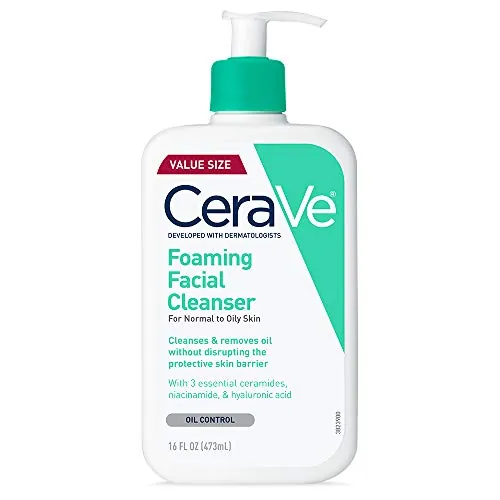
Bioderma Sensibio Foaming Gel and CeraVe Foaming Facial Cleanser are fragrance-free daily gel cleansers with the same overall score. Bioderma is more specifically positioned for sensitive skin and gentle makeup removal, while CeraVe is designed around cleansing normal to oily skin and controlling excess oil.
#1 Overall Winner
Contender
Choose Bioderma if sensitive skin, a low-foam feel, and gentle removal of light makeup are central priorities. Choose CeraVe if your skin is normal to oily and you want a lower-priced daily cleanser with explicit oil-control positioning and featured barrier-supporting ingredients. For heavy waterproof makeup, consider a separate removal step.
Overall winner
Depends on your needs
| Feature | Bioderma Sensibio Foaming Gel Gentle Face Cleanser | CeraVe Foaming Facial Cleanser | Winner |
|---|---|---|---|
| Overall score | 89 | 89 | Tie |
| Primary skin focus | Sensitive skin | Normal to oily skin | Depends |
| Effectiveness score | 91 | 90 | Bioderma Sensibio Foaming Gel Gentle Face Cleanser |
| Skin compatibility score | 92 | 93 | CeraVe Foaming Facial Cleanser |
| Ingredient quality score | 84 | 88 | CeraVe Foaming Facial Cleanser |
| Comfort score | 92 | 92 | Tie |
| Ease of use score | 94 | 90 | Bioderma Sensibio Foaming Gel Gentle Face Cleanser |
| Value score | 92 | 90 | Bioderma Sensibio Foaming Gel Gentle Face Cleanser |
| Customer satisfaction score | 95 | 96 | CeraVe Foaming Facial Cleanser |
| Claim support score | 86 | 90 | CeraVe Foaming Facial Cleanser |
| Scent score | 94 | 86 | Bioderma Sensibio Foaming Gel Gentle Face Cleanser |
| Listed price and volume | $22.99; 16.7 fl oz | $15.97; 16 fl oz | Depends |
Bioderma scores 91 for effectiveness, narrowly ahead of CeraVe at 90. Its listing and buyer feedback consistently support gentle removal of daily dirt, oil, and light makeup without a stripped feel. CeraVe’s performance is more specifically oriented toward lifting excess oil and daily buildup from normal to oily skin, with reviewers often reporting a balanced finish. Both products can remove everyday makeup, but supplied reviews identify a similar limitation: heavy makeup, waterproof mascara, and stubborn sunscreen may need extra massage time or a separate first cleanse.
For the immediate cosmetic result, Bioderma has a modest score advantage and is more often associated in the supplied feedback with skin feeling soft, fresh, and comfortable after cleansing. CeraVe is more focused on a clean, balanced, less shiny appearance for normal to oily skin. Choose Bioderma for a gentle, comfortable-looking post-cleanse finish; choose CeraVe if reducing the feel and appearance of daily excess oil is the main goal.
Bioderma’s beauty-result score is 88, compared with 85 for CeraVe. Reviews for Bioderma commonly describe a soft, fresh, comfortable appearance after rinsing, with light foam rather than a dense lather. CeraVe’s more relevant visible result is reduced surface shine and a clean, balanced look for normal to oily skin. The difference is small: Bioderma favors a comfort-led finish, while CeraVe favors an oil-control-led finish.
Both are rinse-off skincare cleansers suited to regular use. Bioderma is positioned around sensitive skin, fragrance-free cleansing, and a non-stripping experience. CeraVe is positioned around normal to oily skin and includes ceramides, hyaluronic acid, and niacinamide among its highlighted ingredients. Neither cleanser replaces the need to select the rest of a routine according to individual skin tolerance and concerns.
CeraVe scores 91 for safety, slightly ahead of Bioderma at 89. Both are fragrance-free according to supplied information and are intended as rinse-off cleansers, factors that may appeal to users avoiding added fragrance. Bioderma is specifically directed at sensitive skin, while CeraVe is described as non-comedogenic and non-irritating. Avoid assuming either product is suitable for everyone: keep cleanser out of the eyes, rinse thoroughly, and discontinue use if irritation occurs. Review comments are personal experiences, not safety testing.
The products tie at 92 for comfort. Bioderma’s light foam and non-stripping feel are recurring themes in reviews, especially from sensitive and dry-skinned users. CeraVe is likewise praised for removing oil without leaving skin tight, dry, sticky, or greasy. Bioderma may feel more aligned with users who prioritize gentleness; CeraVe may feel more satisfying to users who like a refreshed, oil-controlled cleanse.
Bioderma scores 94 for ease of use versus 90 for CeraVe. Both are simple gel cleansers used on wet skin, lathered, rinsed, and followed by patting dry. CeraVe’s pump is often described as practical and dose-controlling, although the large bottle needs counter space and one review noted unclear pump open-close markings. Bioderma’s instructions are equally straightforward, with no setup or special tools required.
Bioderma scores 91 for application and CeraVe scores 89. Bioderma is described as a smooth gel that produces a light, airy foam and spreads comfortably over the face. CeraVe also starts as a clear gel and becomes a lightweight foam, with reviewers noting that a small pump can produce sufficient lather. Both should be applied to wet skin and rinsed thoroughly; neither has an applicator requiring special technique.
CeraVe scores 93 for skin compatibility and Bioderma scores 92, making this a close result. Bioderma is explicitly formulated and marketed for sensitive skin, is unscented and sulfate-free, and has substantial feedback describing a non-tight feel. CeraVe is fragrance-free and described as non-irritating and non-drying, but its stated target is normal to oily skin. People with reactive skin should still introduce either product carefully and stop use if it does not suit their skin.
Bioderma leads the finish-quality score, 88 to 82. Its light, low-foam gel texture is repeatedly associated with a clean but comfortable finish without noticeable residue. CeraVe also rinses clean according to reviews and is valued for avoiding a tight or greasy feel, but its most distinct finish benefit is a refreshed, less oily appearance. Preference depends on whether softness and comfort or shine control matter more after cleansing.
Bioderma has the higher scent score, 94 versus 86. Its supplied listing calls it unscented, and reviews generally report no noticeable fragrance. CeraVe is also described as fragrance-free in its description and reviews, despite a “Fresh” scent-name entry in the specifications. For shoppers avoiding fragrance, both are positioned as fragrance-free, with Bioderma having the stronger scent-related score.
CeraVe scores 88 for durability, slightly above Bioderma at 86. Both products are large liquid cleansers intended to last through regular use, and buyers describe the formats as long-lasting because only a small amount is typically needed. CeraVe’s pump bottle is a practical advantage for repeated dispensing. Bioderma also receives positive longevity comments, though isolated packaging concerns reduce certainty around the delivery experience rather than the cleanser’s formula stability.
Bioderma scores 76 for personalization versus 72 for CeraVe. The difference largely reflects its clearer targeting of sensitive skin and its availability in multiple sizes within the supplied review variants. CeraVe offers broad face, body, and hand use, but its stated skin-type focus is narrower: normal to oily skin. Neither product offers shade, finish, scent, or device-setting customization, so personalization mainly comes down to matching cleanser focus with individual skin needs.
CeraVe leads ingredient quality, 88 to 84. Its supplied listing specifically identifies three ceramides, hyaluronic acid, and niacinamide, giving shoppers more detail about the formula’s highlighted components. Bioderma identifies coco glucoside as an active ingredient and specifies micellar technology, fragrance-free status, and sulfate-free status, but the provided data contains less full ingredient-list detail. These details describe formulation information, not proof that either product will deliver the same results for every user.
The products tie at 84 for packaging quality. Both are supplied in bottles, and CeraVe’s pump is frequently praised for hygienic, controlled dispensing. Its 16 fl oz format can take up counter space, however. Bioderma’s large bottle is valued for lasting a long time, but the supplied reviews include isolated poor-delivery-packaging feedback. Packaging performance can also vary by seller and shipment handling.
Bioderma has a value score of 92, compared with 90 for CeraVe. Its 16.7 fl oz bottle is slightly larger and reviews often describe a small amount as sufficient, helping explain its strong value assessment. CeraVe has the lower supplied price at $15.97 versus $22.99 and also comes in a substantial 16 fl oz bottle. CeraVe is the lower-upfront-cost option; Bioderma scores higher for value because its sensitive-skin fit, size, and reported performance may justify more spend for the right user.
Bioderma scores 88 for brand trust and CeraVe scores 87, a minimal difference. Bioderma’s supplied brand description emphasizes a biology-led dermatology approach, while CeraVe states that its products are developed with dermatologists. These are brand-provided positioning statements, not independent proof of superiority. Both products have extensive buyer feedback and established cleanser-focused product information, so routine fit and formula preferences are more useful differentiators than this one-point score gap.
CeraVe narrowly leads customer satisfaction, 96 to Bioderma’s 95, and has a larger supplied review count of 75,327 compared with 22,357. CeraVe buyers repeatedly praise daily oil removal, a non-tight finish, easy rinsing, and its pump bottle. Bioderma buyers repeatedly praise gentleness, fragrance-free use, light foam, and comfortable cleansing for sensitive-feeling skin. Recurring limitations are also similar: each may need help removing heavy or waterproof makeup, while isolated packaging or individual-tolerance concerns appear in the reviews.
CeraVe scores 90 for claim support, ahead of Bioderma at 86. Its product information gives detailed use positioning for normal to oily skin and identifies ceramides, hyaluronic acid, and niacinamide, while buyer feedback broadly aligns with its oil-control and non-drying claims. Bioderma’s gentle, fragrance-free, micellar cleansing claims also align with repeated buyer reports of comfortable cleansing. Neither product’s listing or review feedback should be treated as proof of medical, acne-treatment, or other clinical outcomes.
There is no single overall winner because Bioderma Sensibio Foaming Gel and CeraVe Foaming Facial Cleanser both score 89 overall and succeed in slightly different routines. Bioderma’s main strength is its clear sensitive-skin focus, comfortable low-foam cleanse, and slightly stronger scores for effectiveness, finish, ease of use, and value. Its limitation is less detailed supplied ingredient information and potential need for an additional step with heavy makeup. CeraVe’s main strengths are its normal-to-oily-skin positioning, oil-control focus, listed key ingredients, and exceptional customer satisfaction. Its limitations are a large bottle footprint and similar difficulty with waterproof makeup. Pick Bioderma for sensitivity-led cleansing and CeraVe for oil-control-led daily cleansing.
Overall winner
Depends on your needs
Neither is a universal winner: both have an overall score of 89. Bioderma is the more targeted choice for sensitive skin and has slightly stronger reported cleansing comfort, value, and makeup-removing performance. CeraVe is the more targeted choice for normal to oily skin, with a formula that lists ceramides, hyaluronic acid, and niacinamide.
Bioderma is the clearer sensitive-skin-focused option because its listing specifically identifies sensitive skin, an unscented and sulfate-free formula, and gentle micellar cleansing. It also has a strong skin-compatibility score of 92. CeraVe scores marginally higher for skin compatibility at 93, but its stated target is normal to oily skin, so individual tolerance still matters.
CeraVe is the more direct fit for normal to oily skin because its stated benefits include oil control and its product description focuses on removing excess oil. Buyer feedback frequently describes reduced shine without a tight feeling. Bioderma can cleanse oily skin gently, but its product positioning is centered more on sensitivity and comfortable cleansing than oil control.
Both products are presented as capable of removing makeup, particularly everyday makeup. Bioderma has a slight advantage in the supplied effectiveness score and reviews often describe successful removal of light makeup. However, reviews for both products indicate that heavy makeup, waterproof mascara, or more tenacious sunscreen may require extra massage time or a separate first cleanse.
Bioderma has a higher ease-of-use score, 94 versus 90 for CeraVe. Both are straightforward rinse-off gel cleansers used on wet skin and both are supplied in bottles. CeraVe’s pump is widely described as practical, although one reviewer found its open-close markings confusing and another noted the large bottle occupies counter space.
Bioderma has the higher value score, 92 versus 90, and its 16.7 fl oz format is slightly larger than CeraVe’s 16 fl oz listing. CeraVe has the lower supplied price, however. The better value therefore depends on whether you prioritize the lower initial cost and oil-control focus of CeraVe or Bioderma’s sensitive-skin positioning and slightly larger bottle.
CeraVe has the higher claim-support score, 90 versus 86, helped by clearly listed key ingredients and product-use details. Bioderma’s claims are also broadly consistent with supplied buyer feedback about gentle cleansing and a non-stripping feel. Neither score should be treated as clinical proof, and individual results can differ.
Check our rankings and expert guides to find the best beauty products for your goals.