
#1 Overall Winner
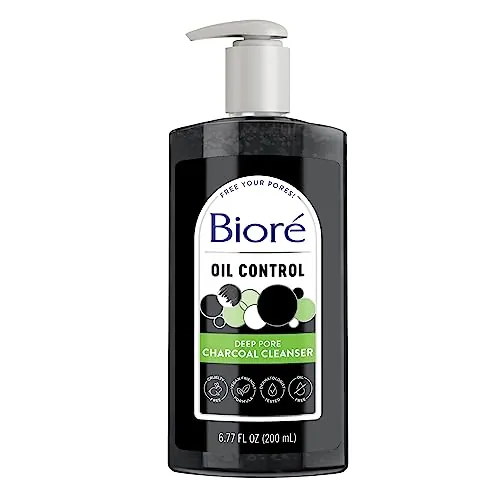
Bioré Deep Pore Charcoal Face Wash
- Strong cleansing performance for dirt, oil, and buildup on oily skin.
Comparison
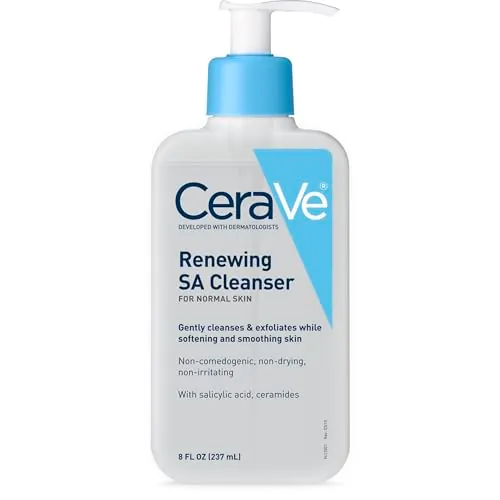
Bioré Deep Pore Charcoal Face Wash is an oil-focused, deep-cleansing option aimed at oily skin, while CeraVe Renewing Salicylic Acid Cleanser pairs cleansing and exfoliation with a fragrance-free formula. Bioré costs less and scores slightly higher for core cleansing effectiveness, but CeraVe leads for overall score, skin compatibility, ingredients, comfort, and buyer satisfaction.
#1 Overall Winner
Contender
Choose CeraVe for a fragrance-free salicylic-acid cleanser with stronger scores for skin compatibility, comfort, and ingredient quality. Choose Bioré if oily-skin cleansing, a refreshing tingle, and a lower upfront price matter most. Both can be drying or irritating for some users, so neither is an automatic fit for every skin type.
Overall winner
Depends on your needs
| Feature | Bioré Deep Pore Charcoal Face Wash | CeraVe Renewing Salicylic Acid Cleanser | Winner |
|---|---|---|---|
| Overall score | 81 |
85 |
CeraVe Renewing Salicylic Acid Cleanser |
| Main cleansing focus | Deep cleansing and oil removal for oily skin |
Gentle salicylic-acid exfoliation and cleansing |
Depends |
| Effectiveness | 86 |
84 |
Bioré Deep Pore Charcoal Face Wash |
| Beauty result | 78 |
83 |
CeraVe Renewing Salicylic Acid Cleanser |
| Skin compatibility | 66 |
78 |
CeraVe Renewing Salicylic Acid Cleanser |
| Ingredient quality | 58 |
88 |
CeraVe Renewing Salicylic Acid Cleanser |
| Scent | Unscented specification; cooling or minty comments |
Fragrance-free |
CeraVe Renewing Salicylic Acid Cleanser |
| Comfort | 72 |
84 |
CeraVe Renewing Salicylic Acid Cleanser |
| Ease of use | 87 |
90 |
CeraVe Renewing Salicylic Acid Cleanser |
| Value | 88; $6.87 for 6.77 oz |
88; $12.37 for 8 oz |
Tie |
| Customer satisfaction | 92; 4.6/5 from 29,697 reviews |
94; 4.7/5 from 81,978 reviews |
CeraVe Renewing Salicylic Acid Cleanser |
| Bottle size | 6.77 fl oz |
8 fl oz |
CeraVe Renewing Salicylic Acid Cleanser |
Bioré holds a narrow effectiveness lead, scoring 86 versus 84 for CeraVe. Its oily-skin positioning, charcoal focus, and frequent review comments about removing surface oil and buildup support its strength as a direct cleanser. CeraVe performs differently rather than poorly: its salicylic acid is intended to exfoliate while cleansing, and buyers often report smoother-feeling skin. Some CeraVe reviewers, however, found it insufficiently strong for their individual concerns or less complete at removing heavier makeup. For oil removal, Bioré leads; for a gentler exfoliating cleanse, CeraVe is compelling.
Bioré is geared toward an immediate deeply clean, less oily, refreshed-looking finish; reviewers also describe a soft feel and occasional clean shine. CeraVe has the higher beauty-result score and is more often associated in buyer feedback with smoother, softer-feeling skin and a more refined-looking texture. Neither result is guaranteed, but CeraVe is the better match for users prioritising a smoother-looking finish, while Bioré suits those who prefer a pronounced oil-free after-feel.
CeraVe scores 83 for beauty results, ahead of Bioré at 78. Review feedback for CeraVe commonly mentions softer, smoother-looking skin and a healthy-looking glow, although these are personal experiences rather than assured outcomes. Bioré's result is more about a visibly clean, de-oiled appearance and refreshed feel. Its cooling tingle can enhance that perception for users who enjoy it, but may be a drawback for others. CeraVe has the broader advantage for a smooth, comfortable post-cleanse appearance.
Both products fit a facial-cleansing routine, but their roles differ. Bioré is a charcoal-based wash targeted at oily skin and deep cleansing. CeraVe is a fragrance-free exfoliating cleanser with salicylic acid plus hyaluronic acid, niacinamide, and ceramides listed in the product description. Users who already use exfoliating products should consider their total routine carefully, as reviewers of both cleansers report that frequent use can feel drying for some skin.
CeraVe scores 80 for safety, ahead of Bioré at 67. Its fragrance-free description and higher skin-compatibility score make it the more reassuring option in this comparison, though salicylic acid can still be drying or irritating for some users. Bioré's reviews include both positive tolerance experiences and reports of severe reactions or redness, so its cooling deep-clean approach deserves more caution for reactive or dry skin. With either facial cleanser, avoid the eye area, stop use if it causes discomfort, and introduce new products gradually when appropriate.
CeraVe leads comfort with a score of 84, compared with 72 for Bioré. Many CeraVe reviewers like its lightweight, smooth texture and report skin that feels clean without excessive tightness. Bioré's cooling, minty-feeling tingle is a key part of its experience: some users find it invigorating, while others dislike it, particularly in colder weather. CeraVe is the more consistently comfortable choice according to the supplied scores and feedback.
Both cleansers are uncomplicated bottled products that lather with water and rinse away. CeraVe scores 90 for ease of use and Bioré scores 87, so the practical gap is small. Bioré reviewers often say a small amount goes far, while CeraVe is praised for its gel-to-foam use and easy everyday fit. Heavy makeup may require a separate first step with CeraVe according to some reviews, which can add routine time.
CeraVe has the higher application score, 86 versus 80. Its gel texture transforms into foam, and reviewers commonly describe it as smooth, lightweight, and easy to spread. Bioré also foams and rinses clean, with buyers noting that a small amount can be effective. The deciding sensory difference is Bioré's noticeable cool tingle, which is welcome for some but not all users. CeraVe is the more universally approachable application experience.
CeraVe leads skin compatibility, 78 to Bioré's 66. Its fragrance-free specification and the presence of hyaluronic acid, niacinamide, and ceramides in the supplied description provide a more accommodating formula profile. Still, salicylic acid may not suit every routine or frequency, and reviews include irritation reports. Bioré is explicitly made for oily skin and can feel drying or provoke redness for some users, especially those with dry or sensitive skin. Individual sensitivity remains variable for both products.
CeraVe scores 82 for finish quality compared with 72 for Bioré. Buyers often describe CeraVe as leaving skin smooth and clean without a tight or greasy residue, though experiences vary. Bioré is more likely to produce a squeaky-clean, tingly finish that oily-skin users may enjoy. That stronger clean sensation can be less appealing if a softer, less stripped skin feel is the goal. CeraVe is the more balanced pick for finish quality.
Longevity is less central for rinse-off cleansers, but Bioré scores 62 versus 58 for CeraVe. This small difference may reflect the persistence of Bioré's clean, oil-reduced feel rather than a lasting cosmetic finish. CeraVe's exfoliating effect is intended as part of regular use, yet reviewers differ on how much improvement they notice. Because both are washed off, routine fit and tolerance are more meaningful than this narrow score gap.
CeraVe is the clear choice for scent-sensitive shoppers, scoring 96 and specified as fragrance-free. Bioré is listed as unscented, but its reviews repeatedly mention a fresh or minty cooling sensation and, in some cases, a pleasant scent. That experience is not necessarily unsuitable, but it is less predictable for users who want no noticeable fragrance or cooling character.
CeraVe leads durability, 81 to Bioré's 74. For these consumable cleansers, this score is best read as product and packaging reliability rather than device-like durability. CeraVe's bottle receives positive feedback for arriving intact and leak-free in one review, while Bioré users often note that its bottle lasts because little product is needed. Both are non-discontinued products in the supplied specifications, but CeraVe has the stronger score.
CeraVe scores 68 for personalization, ahead of Bioré at 55. It is described as usable across several skin-type needs and is fragrance-free, which gives it broader routine flexibility. Bioré is more specifically designed for oily skin and its sensory cooling profile can be divisive, making it a more targeted choice. Neither product offers shades, scents, or multiple finish options in the supplied data, so personalization is primarily about skin needs and preferred cleansing intensity.
CeraVe has a substantial ingredient-quality advantage, scoring 88 compared with 58 for Bioré. The supplied CeraVe information specifically lists salicylic acid, hyaluronic acid, niacinamide, ceramides, and vitamin D, and describes a fragrance-free formula. Bioré highlights natural charcoal and identifies sodium laureth as an active ingredient in the provided specifications, but the supplied ingredient detail is otherwise limited. This comparison does not establish that one formula will work for every person; it indicates that CeraVe has the clearer and higher-scoring ingredient profile in the available data.
CeraVe scores 82 for packaging quality, compared with 72 for Bioré. Both come in bottles and have generally practical formats for a rinse-off cleanser. CeraVe feedback includes comments that it arrived well packaged without leaks, while Bioré's bottle is appreciated as a generous size for its price. The supplied data does not identify a major packaging fault for either product, but CeraVe has the higher usability score.
Value is a tie by score: both receive 88. Bioré is the more accessible purchase at $6.87 for 6.77 ounces and receives frequent praise for its size and low cost. CeraVe is $12.37 for 8 ounces, so it requires more upfront spending, but buyers often consider it good value due to its fragrance-free formula, listed active and supportive ingredients, and strong satisfaction results. Choose Bioré for the lower initial cost; choose CeraVe if its formula profile better matches your priorities.
CeraVe has a notable brand-trust lead, scoring 90 versus 71 for Bioré. The supplied CeraVe description says it was developed with dermatologists, and its large review base shows strong customer confidence. Bioré is also a well-reviewed cleanser from Kao USA and has a solid trust score, but its available product information offers less formula detail and its tolerance feedback is more divided. The score data therefore favours CeraVe for brand confidence.
Both products have excellent buyer sentiment, but CeraVe leads with a satisfaction score of 94, a 4.7/5 rating, and 81,978 reviews. Buyers commonly praise its fragrance-free feel, gentle exfoliation, and smooth post-cleanse texture. Bioré is also very highly regarded, with a 92 satisfaction score, 4.6/5 rating, and 29,697 reviews; its deep clean, oil control, and price are repeated positives. The recurring caution for both is mixed sensitivity feedback, with Bioré showing more dryness and redness concerns.
CeraVe has the higher claim-support score, 86 versus 78 for Bioré. Its supplied description clearly connects its salicylic acid, hyaluronic acid, niacinamide, and ceramides to cleansing, exfoliating, and moisture-related routine benefits. Buyer comments broadly align with clean, smooth-feeling results, but cannot verify results for every person. Bioré's deep-cleaning and oily-skin positioning are also frequently echoed in reviews. Claims about breakouts, blackheads, or other individual skin concerns should be treated as variable user experiences rather than guaranteed outcomes.
CeraVe Renewing Salicylic Acid Cleanser wins overall because it has the higher total score and clear advantages in ingredient quality, skin compatibility, safety, comfort, brand trust, and customer satisfaction. Its main limitation is that exfoliating cleansers can still feel drying or irritating for some people, and its makeup-removal performance is not consistently praised. Bioré Deep Pore Charcoal Face Wash is a worthwhile alternative for oily skin, especially if you want strong oil removal, a cooling cleanse, and the lowest upfront price. Its primary limitation is less consistent tolerance, with reports of dryness and redness. Neither cleanser is universally better for every skin type, but CeraVe is the more balanced choice in the supplied data.
Overall winner
Depends on your needs
CeraVe is the stronger overall pick in the supplied scoring, particularly for skin compatibility, ingredient quality, comfort, safety, and brand trust. Bioré remains a practical lower-cost choice for users who specifically want a deep, cooling cleanse for oily skin. The better option depends on whether oil removal or a fragrance-free exfoliating formula is the higher priority.
CeraVe appears to be the more suitable option based on its higher skin compatibility score, fragrance-free specification, and formula details that include hyaluronic acid, niacinamide, and ceramides. However, it contains salicylic acid and some reviewers still report irritation or dryness. Bioré also has mixed tolerance feedback, including reports of redness and drying.
Bioré is specifically listed for oily skin and has the higher effectiveness score, with reviews frequently praising oil removal and a deeply clean feel. CeraVe can also fit oily or combination routines because it cleanses and exfoliates, but its stated skin type is normal. Individual tolerance and preferred finish should guide the decision.
Bioré is marketed for dirt and makeup removal, and its deep-cleansing focus may appeal to users who want a single wash step. CeraVe reviews are mixed: some users report it removes light makeup, while others recommend a separate makeup remover before cleansing for foundation or colour-correcting products. Neither data set guarantees complete makeup removal for every routine.
Both products have the same high value score of 88. Bioré costs less at $6.87, while CeraVe costs $12.37 but provides a larger 8-ounce bottle and a more ingredient-focused formula. Bioré is better for the lowest upfront spend; CeraVe may justify its price for shoppers who value its fragrance-free exfoliating and hydration-focused ingredient profile.
Both are straightforward bottled facial cleansers that foam during use. CeraVe has a slightly higher ease-of-use score and application score, while Bioré is also rated highly and reviewers often say that only a small amount is needed. CeraVe may require an additional makeup-removal step for heavier makeup, whereas Bioré is specifically marketed for makeup removal.
Bioré centres its product description on natural charcoal and oil-trapping, deep-cleansing performance for oily skin. CeraVe lists salicylic acid, hyaluronic acid, niacinamide, ceramides, and vitamin D, with a fragrance-free and non-comedogenic product description. These are different cleansing approaches, so formula preference and tolerance matter more than a universal winner.
Both products have relatively strong claim-support scores, with CeraVe scoring higher. Their supplied descriptions and extensive customer feedback support that users commonly experience cleansing and smoother-feeling skin. Claims about individual concerns, including breakouts, remain variable in reviews and should not be treated as guaranteed results or medical evidence.
Check our rankings and expert guides to find the best beauty products for your goals.