#1 Overall Winner
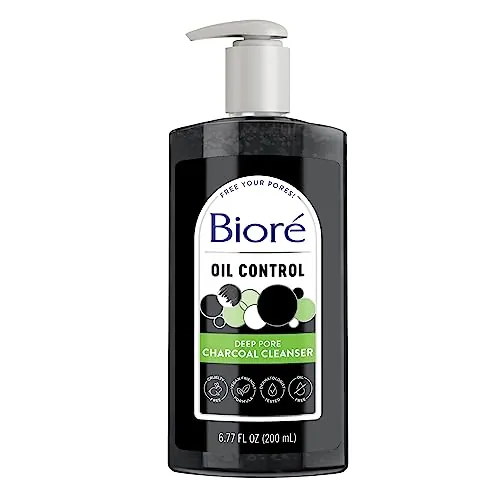
Bioré Deep Pore Charcoal Face Wash
- Strong oily-skin cleansing focus with an effectiveness score of 86.
Comparison
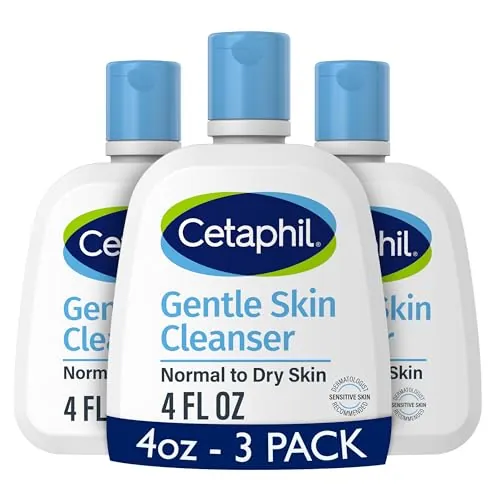
Bioré Deep Pore Charcoal Face Wash is a foaming cleanser aimed at oily skin, dirt, oil, and buildup, while Cetaphil Hydrating Gentle Skin Cleanser is a non-foaming option for dry, normal, and sensitive skin. Cetaphil leads overall through stronger skin-compatibility and comfort scores, whereas Bioré is the more targeted choice for users who want a cooling, deep-clean feel.
#1 Overall Winner
Contender
Choose Bioré if you have oily skin and prefer a foaming cleanser that leaves a noticeably fresh, cooling feel. Choose Cetaphil if dryness, sensitivity, fragrance avoidance, and a comfortable non-stripping cleanse matter most. Cetaphil is the stronger all-round pick, but Bioré has a more specific oil-control focus.
Overall winner
Depends on your needs
| Feature | Bioré Deep Pore Charcoal Face Wash | Cetaphil Hydrating Gentle Skin Cleanser | Winner |
|---|---|---|---|
| Overall score | 81 |
90 |
Cetaphil Hydrating Gentle Skin Cleanser |
| Primary skin fit | Oily skin |
Dry, normal, and sensitive skin |
Depends |
| Effectiveness | 86 |
87 |
Cetaphil Hydrating Gentle Skin Cleanser |
| Skin compatibility | 66 |
96 |
Cetaphil Hydrating Gentle Skin Cleanser |
| Texture and lather | Foaming cleanser |
Creamy, non-foaming cleanser |
Depends |
| Comfort | 72 |
92 |
Cetaphil Hydrating Gentle Skin Cleanser |
| Ingredient quality | 58 |
88 |
Cetaphil Hydrating Gentle Skin Cleanser |
| Safety | 67 |
94 |
Cetaphil Hydrating Gentle Skin Cleanser |
| Makeup-removal fit | Listed for dirt and makeup removal |
May need a separate first cleanse |
Bioré Deep Pore Charcoal Face Wash |
| Value | 88 |
95 |
Cetaphil Hydrating Gentle Skin Cleanser |
| Customer satisfaction | 92 |
95 |
Cetaphil Hydrating Gentle Skin Cleanser |
| Pack format | One 6.77-ounce bottle |
Three 4-ounce tubes |
Depends |
The effectiveness scores are very close: Bioré scores 86 and Cetaphil scores 87. Bioré's performance is focused on oily-skin cleansing, and its product information and reviews consistently support a strong clean feel, lather, and removal of surface oil and buildup. Cetaphil's score reflects effective gentle cleansing, with buyers often reporting clean skin without a tight or flaky feeling.
The key difference is not that one cleanses while the other does not, but the type of cleanse. Bioré is more tailored to oil management; Cetaphil is more balanced for regular cleansing where comfort and barrier-conscious routine fit are priorities. Cetaphil's main performance concern is limited standalone makeup removal in some reviews.
Bioré and Cetaphil create different immediate skincare results. Bioré is more likely to deliver the “freshly deep-cleaned” sensation that oily-skin users may want, with reviews describing reduced surface oil, smoothness, and a clean shine. Cetaphil aims for skin that feels soft and comfortable rather than squeaky clean; buyers frequently mention smoothness and less tightness after washing.
Cetaphil's beauty-result score of 84 is higher than Bioré's 78, suggesting a more consistently favourable overall skin appearance across users. Still, Bioré may give the preferred visible finish for people whose main concern is a shinier, oilier complexion.
Cetaphil has the higher beauty-result score, 84 versus 78 for Bioré. Review themes suggest Cetaphil more consistently leaves skin looking and feeling soft and smooth without the tight sensation associated with some cleansers. Bioré receives positive feedback for a refreshed, clean appearance and reduced surface oil, but its stronger sensory profile can be less predictable across skin types.
For a calm, comfortable-looking post-cleanse finish, Cetaphil has the better-supported result. For an oily complexion where a clearer, less oily surface is the desired result, Bioré may better match the user's preference.
Both products fit a daily facial-cleansing step, but their routine roles differ. Bioré is designed around oily-skin cleansing and removal of dirt and oil, so it may be more appropriate when a foaming, more intensive cleanse suits the rest of the routine. Cetaphil is designed to cleanse while supporting a hydrated, comfortable skin feel and is marketed for dry to normal sensitive skin.
For either cleanser, it is sensible to introduce a new face product gradually and stop use if it causes persistent discomfort. Users wearing substantial makeup or sunscreen may find Cetaphil works best after a separate removal step, based on review feedback.
Cetaphil has the higher safety score, 94 versus 67 for Bioré. It is listed as fragrance-free, soap-free, sulfate-free, hypoallergenic, and non-comedogenic, and its product positioning is specifically centred on sensitive skin. These are useful formulation details, though they should not be treated as a guarantee that every person will avoid irritation.
Bioré is dermatologist tested and intended for daily use, but customer feedback is mixed: some users report no irritation, while others mention redness or strong reactions. Its cooling tingle and oil-focused cleanse may be too intense for some skin types. Avoiding the eye area and patch testing a new cleanser are sensible practical precautions, particularly for reactive skin.
Cetaphil scores 92 for comfort, comfortably ahead of Bioré at 72. Its creamy, non-foaming texture is widely described as soft, gentle, and non-drying. Some users dislike the low-lather or slightly slimy feel, but the overall comfort feedback is strong.
Bioré provides a different experience: foam, a minty or cool sensation, and a pronounced clean feeling. Many users enjoy that freshness, yet others find it uncomfortable, particularly in colder weather or when skin is dry. Cetaphil is the safer comfort-first option; Bioré suits those who actively prefer a cooling cleanse.
Bioré has a small ease-of-use lead, scoring 87 compared with Cetaphil's 85. Its foaming formula, rinse-clean finish, and reports that a small amount goes a long way make it intuitive for users accustomed to traditional face wash. The bottle format also supports straightforward dispensing.
Cetaphil remains easy to incorporate into a routine, but users may need time to adjust to its non-foaming texture and use an additional makeup-removal product when wearing more coverage. For a familiar lathering wash, Bioré wins narrowly; for a minimal, gentle daily step, Cetaphil is equally uncomplicated.
Cetaphil scores 83 for application and Bioré scores 80. Cetaphil's creamy cleanser is described as soft and easy to spread, though its lack of foam can make it harder for some users to judge how much they have applied. Bioré foams readily and reviewers report that a small amount can cover the face effectively.
Bioré's thick, tingly texture and easy rinse-off may appeal to users who want sensory feedback during application. Cetaphil's lower-friction application is likely preferable for people avoiding a stimulating feel. Both are simple hand-applied facial cleansers without specialist tools or setup.
Cetaphil has a substantial advantage in skin compatibility, scoring 96 compared with Bioré's 66. It is explicitly made for dry to normal sensitive skin and is listed as fragrance-free, soap-free, sulfate-free, and hypoallergenic. Review feedback frequently describes it as gentle and non-drying, though individual reactions can still occur.
Bioré is targeted to oily skin and has mixed feedback on tolerance. Some users call it non-irritating, but others report redness, severe reactions, or dryness, especially with frequent use. Its cool, tingly sensation may also be unwelcome for reactive skin. Cetaphil is the more cautious choice when sensitivity is a concern.
Cetaphil scores 82 for finish quality, ahead of Bioré at 72. Its non-foaming cream format is consistently associated in reviews with a soft, smooth, non-stripped finish. Bioré's finish is more cleansing-forward: users often describe skin as refreshed, clean, and less oily, with a noticeable cool tingle.
Neither cleanser has a makeup-style finish, so the relevant measure is the post-wash skin feel. Cetaphil is better for a comfortable, moisturised-feeling finish, while Bioré is better for users who enjoy a sharper, clean-skin sensation.
Cetaphil scores higher for longevity at 78, compared with 62 for Bioré. In this cleanser comparison, longevity is most relevant to the persistence of the comfortable post-cleanse feel and practical product use. Cetaphil's listing describes hydration when wiped off, and reviews commonly note that skin does not feel tight after cleansing.
Bioré is designed to rinse clean and emphasises immediate oil removal and refreshment rather than a long-lasting hydrated feel. For users who prioritise a less dry-feeling result between washes, Cetaphil is the stronger fit.
Cetaphil is the stronger option for scent-sensitive users, with a scent score of 98 versus Bioré's 70. Both product listings describe them as unscented, but Bioré reviewers frequently mention a minty, cool, or fresh sensory experience. Some enjoy it, while others find it too pronounced.
Cetaphil's fragrance-free, low-sensory profile is more consistent with users who prefer no noticeable scent during cleansing. If a cooling fresh feel is appealing rather than a concern, Bioré may still be enjoyable.
Cetaphil leads durability at 82, compared with Bioré at 74. For cleansers, this measure is most relevant to pack usability and whether the product remains convenient through regular use rather than hardware lifespan. Cetaphil's individual tube format can help users keep unopened units in reserve or take a smaller pack while travelling.
Bioré's bottle is a straightforward larger-format option, and reviewers indicate that small amounts are often sufficient per wash, which may extend its use. There is no supplied evidence of a significant stability or pack-failure issue for either product.
Cetaphil scores 72 for personalization, ahead of Bioré's 55. Its positioning spans dry, normal, and sensitive skin, and its gentle, fragrance-free format may fit a wider range of routine preferences. The multi-tube format also offers practical flexibility for travel or separate storage.
Bioré is more narrowly tailored to oily skin and users who enjoy foam and a cooling sensation. That focus can be useful for the right person, but it offers less flexibility for those with dry patches, frequent sensitivity, or a preference for low-sensory cleansing. Neither product offers shade or finish variations.
Cetaphil leads ingredient quality with a score of 88, while Bioré scores 58. Cetaphil provides a detailed active-ingredient list that includes glycerin, panthenol, niacinamide, and sodium cocoyl isethionate, alongside its fragrance-free, soap-free, and sulfate-free positioning. These details support its gentle, hydration-focused product direction, but they do not guarantee a specific result for every user.
Bioré lists sodium laureth as its active ingredient and highlights natural charcoal. Charcoal is central to its cleansing message, but the supplied information provides less detail for assessing the full formula. Its ingredient profile is better considered in the context of oily-skin cleansing and potential dryness concerns reported by some users.
Cetaphil has the higher packaging-quality score, 80 compared with Bioré's 72. The listed Cetaphil option comes in three 4-ounce tubes, which reviewers note can be convenient for travel and splitting across bags or locations. Bioré comes in a single 6.77-ounce bottle, a practical format for home use.
Neither supplied product record includes repeated leakage or delivery-damage concerns. The better choice depends on use pattern: choose Cetaphil's smaller tubes for portability and Bioré's larger single bottle for a simple, one-product bathroom setup.
Cetaphil has the higher value score, 95 versus 88 for Bioré. At the listed price, the Cetaphil option contains three 4-ounce tubes, or 12 fluid ounces total, and reviews frequently call the multi-pack good value. Its higher value score also reflects the strength of its gentle-skin profile and customer satisfaction.
Bioré has the lower upfront cost and a 6.77-ounce bottle, making it accessible for shoppers who want an inexpensive oily-skin cleanser without buying a multi-pack. Reviewers also note that a little can go a long way. Cetaphil offers the stronger value proposition overall, while Bioré may be the more convenient low-cost trial or single-bottle purchase.
Cetaphil scores 88 for brand trust, ahead of Bioré at 71. In the supplied information, Cetaphil's sensitive-skin focus, dermatologist-recommended positioning, detailed formula information, and long-term user feedback contribute to stronger customer confidence. These factors are not independent clinical proof, but they provide context for the score difference.
Bioré also has a substantial review base and a clear cleansing identity, with many buyers returning to the product for oily-skin use. Its lower score appears linked to less consistent tolerance feedback rather than a lack of customer interest. Both are established cleanser options, but Cetaphil inspires broader confidence for gentle daily use.
Both cleansers have a 4.6/5 rating and large review counts, but Cetaphil has a slightly higher customer-satisfaction score of 95 versus Bioré's 92. Cetaphil reviews repeatedly praise its fragrance-free, soft, non-drying feel, particularly among users with dry or sensitive skin. Common criticism concerns its lack of lather and limited ability to remove fuller makeup looks on its own.
Bioré receives frequent praise for oil removal, foam, freshness, and price. However, feedback is more divided on comfort: some reviewers report a pleasant tingle and clean finish, while others describe dryness, redness, or a sensation that is too strong. Satisfaction is high for both, but Cetaphil is more consistent.

Cetaphil has the higher claim-support score, 89 compared with Bioré's 78. Its gentle-cleansing and hydration-focused positioning is accompanied by a detailed ingredient list and is broadly echoed in reviews describing soft, non-stripped skin. Its listing includes clinical and dermatologist-related statements, but these should be understood as manufacturer claims rather than independently evaluated evidence in the supplied data.
Bioré's oil-removal, foam, and refreshed-skin claims are also supported by many customer reports and its oily-skin product focus. However, the stated “deep cleans 2 times better” claim has no supporting methodology in the provided material. Mixed tolerance feedback also limits how broadly its cleansing claims can be applied.
The supplied score data gives Cetaphil a modest edge for ethical transparency, 60 versus Bioré's 42. However, the provided listings do not supply specific cruelty-free, vegan, sustainability, recycling, or sourcing details for either cleanser. Neither product should be assumed to meet a particular ethical standard without checking current manufacturer information and the exact pack being purchased.
Cetaphil Hydrating Gentle Skin Cleanser wins this comparison overall. It delivers the more broadly suitable daily-cleansing profile, with standout scores for skin compatibility, comfort, safety, value, customer satisfaction, and ingredient quality. Its key limitation is that its non-foaming formula may not feel sufficiently cleansing for everyone and may not remove all makeup alone.
Bioré Deep Pore Charcoal Face Wash remains the more focused choice for oily skin and users who want foam, oil removal, and a cooling clean-skin sensation. Its core limitation is uneven tolerance, with reviews indicating possible dryness or irritation for some people. In short, choose Cetaphil for gentle, comfortable routine cleansing and Bioré for a more intensive oily-skin cleanse if your skin handles it well.
Overall winner
Depends on your needs
Cetaphil is the stronger overall choice in the supplied score data, particularly for skin compatibility, comfort, safety, ingredients, value, and buyer satisfaction. Bioré remains a practical alternative for oily skin and users who specifically want a foaming, more intensive-feeling cleanse. The better option depends mainly on whether oil removal or gentleness is the priority.
Cetaphil is the clearer fit for sensitive skin based on its 96 skin-compatibility score, fragrance-free and soap-free positioning, and review feedback about a non-stripping feel. Bioré has a score of 66 in this area, and reviews include reports of dryness, redness, and strong cooling sensations. Individual tolerance still varies, so patch testing is sensible.
Bioré is explicitly designed for oily skin and has a slightly higher effectiveness score for its main cleansing purpose. Its charcoal-focused, foaming formula is intended to address dirt, oil, and buildup. Cetaphil can still cleanse effectively, but its hydrating, non-foaming profile is more closely aligned with dry, normal, and sensitive skin needs.
The listing says Cetaphil removes makeup and impurities, but review feedback is mixed. Several users found that it struggled with tinted moisturiser, mascara, sunscreen, or more complete makeup looks when used alone. For heavier makeup or sunscreen, a separate makeup-removal step or double cleanse may be more practical.
Some reviewers say Bioré removes oil and buildup without leaving their skin overly dry, while others report dryness, redness, or irritation. The product is made for oily skin and has a noticeable cooling or tingling feel. Users with dry or reactive skin may prefer less frequent use or a gentler cleanser, depending on their own response.
Bioré scores slightly higher for ease of use at 87 versus Cetaphil's 85, helped by its foaming, rinse-clean format. Cetaphil is also straightforward to use, but its non-foaming texture may take adjustment for people who associate lather with cleansing. Neither product requires complicated preparation or tools.
Cetaphil has the higher value score, 95 compared with Bioré's 88, and the listed option includes three 4-ounce tubes. Bioré has a lower upfront price for its 6.77-ounce bottle and is also frequently praised as economical. Value depends on whether you need a gentler formula or simply want an affordable oily-skin cleanser.
Both have strong claim-support scores, but Cetaphil scores higher at 89 compared with Bioré's 78. Cetaphil's gentle-cleansing and comfort positioning is broadly consistent with its listed formulation and review themes. Bioré's oil-removal and refreshed-skin positioning also matches many reviews, although reports of dryness and irritation make results less consistent across skin types.
Check our rankings and expert guides to find the best beauty products for your goals.