#1 Overall Winner
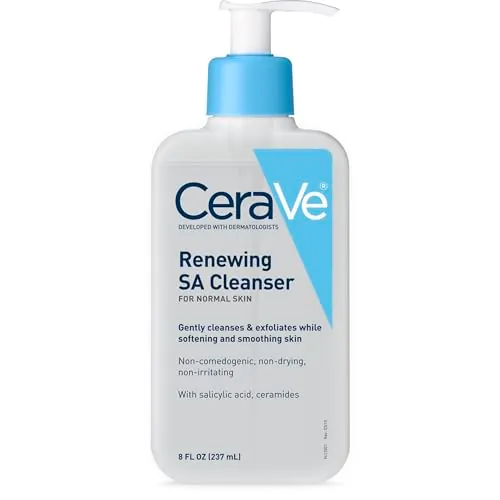
CeraVe Renewing Salicylic Acid Cleanser
- Uses salicylic acid for gentle chemical exfoliation without scrub particles.
Comparison
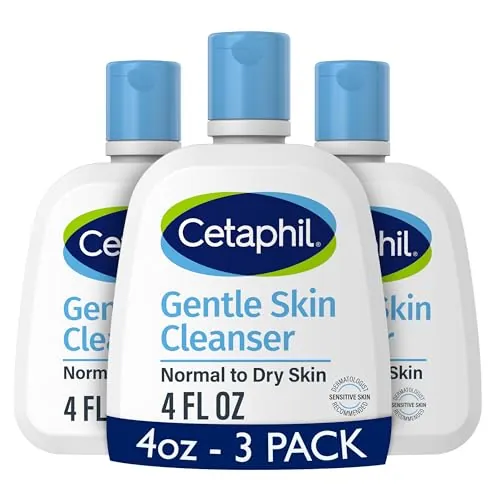
CeraVe Renewing Salicylic Acid Cleanser and Cetaphil Gentle Skin Cleanser are fragrance-free facial cleansers, but they take different approaches. CeraVe adds salicylic acid for a foaming, texture-focused cleanse, while Cetaphil is a non-foaming hydrating cleanser that scores more strongly for sensitive-skin compatibility, comfort, and value.
#1 Overall Winner
Contender
Choose Cetaphil if your priority is a mild, non-foaming daily cleanser for dry or sensitivity-conscious skin. Choose CeraVe if you prefer lather and want salicylic acid in your cleansing step to support smoother-feeling skin. Neither is the strongest standalone option for removing heavier makeup.
Overall winner
Depends on your needs
| Feature | CeraVe Renewing Salicylic Acid Cleanser | Cetaphil Gentle Skin Cleanser | Winner |
|---|---|---|---|
| Primary cleansing approach | Foaming gel cleanser with salicylic acid exfoliation |
Creamy, non-foaming hydrating cleanser |
Depends |
| Overall score | 85 |
90 |
Cetaphil Gentle Skin Cleanser |
| Effectiveness | 84 |
87 |
Cetaphil Gentle Skin Cleanser |
| Skin compatibility | 78 |
96 |
Cetaphil Gentle Skin Cleanser |
| Ingredient quality | 88 |
88 |
Tie |
| Safety | 80 |
94 |
Cetaphil Gentle Skin Cleanser |
| Comfort | 84 |
92 |
Cetaphil Gentle Skin Cleanser |
| Ease of use | 90 |
85 |
CeraVe Renewing Salicylic Acid Cleanser |
| Scent | 96; fragrance-free |
98; unscented |
Cetaphil Gentle Skin Cleanser |
| Packaging | 82; 8-ounce bottle |
80; three 4-ounce tubes |
CeraVe Renewing Salicylic Acid Cleanser |
| Value | 88; $12.37 for 8 ounces |
95; $8.87 for 12 ounces total |
Cetaphil Gentle Skin Cleanser |
| Customer satisfaction | 94; 4.7/5 from 81,978 reviews |
95; 4.6/5 from 37,051 reviews |
Cetaphil Gentle Skin Cleanser |
| Best fit | Texture-focused, exfoliating cleanse |
Dry or sensitive-skin-focused gentle cleanse |
Depends |
Cetaphil leads the effectiveness score, 87 to CeraVe's 84, largely as a gentle daily cleanser. Its product information and reviews consistently support removal of everyday dirt and impurities while maintaining a comfortable skin feel. CeraVe's effectiveness is more specialized: the salicylic acid provides an exfoliating cleansing approach, and many reviewers report smoother-feeling skin and effective oil removal. However, feedback on breakout-related outcomes and sensitivity is mixed. Neither cleanser has uniformly strong review support for removing full makeup looks without a separate first-cleanse step.
Both cleansers are associated with skin that feels soft and smooth after rinsing, but the visible-result emphasis differs. CeraVe is more directly focused on exfoliation, and reviewers frequently describe smoother texture, a fresh look, and less rough-feeling skin over time. Cetaphil is more focused on maintaining a comfortable, hydrated-looking finish without a tight after-feel. Choose CeraVe for a texture-focused cleansing result; choose Cetaphil for a soft, calm-looking, moisture-conscious result.
Cetaphil has a narrow beauty-result score advantage, 84 versus 83, reflecting consistently positive feedback for skin that feels soft and looks comfortable rather than stripped. CeraVe's result is more texture-led: its salicylic acid is intended to remove dead surface cells, and reviewers often mention smoothness and a cleaner-looking complexion. That makes CeraVe compelling for users who value exfoliation, while Cetaphil is the more dependable option when a hydrated, low-friction finish is the goal.
Both products fit a basic skincare routine as fragrance-free, non-comedogenic facial cleansers. CeraVe adds a salicylic-acid exfoliating element alongside ceramides, hyaluronic acid, and niacinamide, so it may suit routines that already prioritize skin texture. Cetaphil uses a non-foaming cleanser base with glycerin, panthenol, and niacinamide and is explicitly positioned for dry to normal sensitive skin. Because skin responses differ, particularly with exfoliating formulas, introduce one new cleanser at a time and discontinue use if it causes persistent discomfort.
Cetaphil has the higher safety score, 94 versus 80, consistent with its hypoallergenic, fragrance-free, soap-free, and non-foaming positioning. It is the less complicated choice for users concerned about a cleanser feeling harsh, although no cleanser can guarantee compatibility for every person. CeraVe is also fragrance-free and described as non-irritating, but it contains salicylic acid and has mixed sensitivity feedback. Avoid contact with the eyes, follow label directions, and consider patch testing, especially when introducing an exfoliating cleanser or if your skin is easily reactive.
Cetaphil wins comfort, 92 to 84. Reviews repeatedly describe a creamy, soft, non-stripping cleanse that works well for users who dislike a tight or flaky after-feel. Its main comfort trade-off is sensory: some buyers do not enjoy the lack of foam. CeraVe's gel texture and lather provide a fresher cleansing experience that many enjoy, but some users find its exfoliating formula drying when used too often. Preference for foam and individual tolerance determine the better experience.
CeraVe leads ease of use, 90 versus 85. Its gel-to-foam format is familiar, rinses as a typical face wash, and requires no special routine change beyond using it as directed. Cetaphil is also simple to apply, but its non-foaming texture can require an adjustment for users expecting a lather. In addition, review feedback suggests both products may need a separate makeup remover first when wearing more than light makeup or sunscreen.
CeraVe scores slightly higher for application, 86 compared with 83. The gel format lathers on damp skin, and reviewers often describe it as lightweight and easy to spread. Cetaphil's creamy non-foaming formula is designed for a gentle glide and is praised for softness, but some users find the texture slippery or less satisfying because it does not foam. CeraVe is the better fit for a traditional wash-off feel; Cetaphil suits users who prefer minimal lather.
Cetaphil has a substantial skin-compatibility lead, 96 versus 78. Its fragrance-free, soap-free, non-foaming formula is specifically marketed for dry to normal sensitive skin, and many reviewers say it cleans without tightness or irritation. CeraVe is also fragrance-free and includes barrier-oriented ingredients, but salicylic acid can be less predictable for reactive skin; reviews range from very gentle experiences to reports of dryness or irritation with frequent use. A patch test and gradual introduction are sensible for either product.
Both products receive an 82 finish-quality score, but the finish is felt rather than cosmetic. CeraVe leaves a clean, smooth, often refreshed skin feel, with a foaming gel texture that reviewers generally find non-greasy. Cetaphil leaves a soft, hydrated feel with no lather, although some users describe its creamy texture as slimy or simply unfamiliar. Neither finish is inherently better: choose foam and a fresher cleanse with CeraVe, or creamy non-foaming comfort with Cetaphil.
Cetaphil scores higher for longevity, 78 versus 58. Its listing emphasizes hydration that lasts when the cleanser is wiped off rather than rinsed, while buyers frequently report that it does not leave skin feeling dry shortly after cleansing. CeraVe's main result is a rinse-off cleansing and exfoliating effect, so lasting hydration is less central to its product role. For a cleanser chosen mainly to minimize dryness between washes, Cetaphil has the clearer edge.
Both are strong choices for shoppers avoiding scented skincare. CeraVe is listed as fragrance-free and scores 96 for scent, while Cetaphil is listed as unscented and scores 98. Neither product's provided information suggests a perfume-forward experience. Cetaphil has a small score lead, but this is effectively a tie for users whose main requirement is avoiding added fragrance.
Both cleansers score similarly for durability, with Cetaphil at 82 and CeraVe at 81. For these consumable products, the most relevant durability considerations are stable, practical packaging and the ability to use the product comfortably over time. CeraVe's bottle received positive non-leakage feedback in a review, while Cetaphil's small tubes are convenient for travel. There is not enough supplied evidence to claim a meaningful long-term packaging reliability difference.
Cetaphil scores slightly higher for personalization, 72 versus 68, mainly because its gentle, non-foaming profile is clearly directed toward dry to normal sensitive skin and this listing offers three portable tubes. CeraVe is more flexible for users who want one cleanser that combines foam with chemical exfoliation and barrier-oriented ingredients. Neither listing provides shade, scent, or finish variants, so personalization primarily comes from matching formula style and routine needs rather than selecting among multiple options.
Both products earn an ingredient-quality score of 88, but the formulas prioritize different needs. CeraVe lists salicylic acid, hyaluronic acid, niacinamide, ceramides, and vitamin D; this combines exfoliation with ingredients associated with skin hydration and barrier support. Cetaphil lists glycerin, panthenol, and niacinamide and is free from fragrance, soap, sulfates, and parabens according to the product information. The equal score reflects two credible approaches rather than identical formulas. CeraVe is more active-led, while Cetaphil is more minimalist and comfort-led.
CeraVe has a narrow packaging-quality lead, 82 versus 80. This listing comes in an 8-ounce bottle, and one review specifically reported secure delivery without leakage. Cetaphil is supplied as three 4-ounce tubes, which reviewers appreciate for travel and for avoiding the need to carry a larger bottle. Choose CeraVe for one larger bathroom bottle or Cetaphil for smaller, portable, separately usable tubes.
Cetaphil is the value winner, scoring 95 compared with 88 for CeraVe. The listed Cetaphil pack costs $8.87 and contains three 4-ounce tubes, or 12 fluid ounces total; CeraVe costs $12.37 for one 8-ounce bottle. That numerical advantage is reinforced by positive buyer feedback about Cetaphil's pack value. CeraVe is still regarded as affordable by reviewers and offers salicylic-acid exfoliation plus ceramides, hyaluronic acid, and niacinamide. Its value is strongest when those formula features are important to your routine.
CeraVe has a small brand-trust advantage, 90 versus 88. Its supplied information states that the brand's products are developed with dermatologists, and reviews show strong familiarity with its salicylic-acid range. Cetaphil also has substantial buyer confidence, including long-term users and dermatologist-recommendation mentions in the supplied material. Both brands have strong recognition in gentle skincare, so this modest score difference should not outweigh formula fit and individual skin tolerance.
Both cleansers have exceptionally strong customer feedback. CeraVe holds a 4.7/5 rating from 81,978 reviews and a 94 customer-satisfaction score, with recurring praise for smoothness, fragrance-free use, and value. Cetaphil has a 4.6/5 rating from 37,051 reviews but a slightly higher satisfaction score of 95, with repeated comments about a gentle, moisturizing, non-stripping cleanse. The recurring concern for both is limited standalone makeup removal; CeraVe also receives more mixed sensitivity feedback, while Cetaphil's non-foaming texture divides some users.
Cetaphil has a modest claim-support advantage, 89 versus 86. Its gentle, fragrance-free, non-foaming positioning is closely reflected in the formula details and repeated reviews describing a soft, hydrated, non-stripped feel. CeraVe's claims around foaming cleansing, fragrance-free use, and exfoliation are also aligned with the listed salicylic acid and buyer reports of smoother-feeling skin. Claims relating to acne, sensitivity, or longer-term changes should be viewed as individual experiences and product positioning, not guaranteed or clinical outcomes based on the supplied reviews alone.
Cetaphil Gentle Skin Cleanser wins overall for its high scores in skin compatibility, safety, comfort, value, claim support, and customer satisfaction. Its main strength is a simple, fragrance-free, non-foaming cleanse that reviewers often find soft and non-stripping. Its main limitation is that it lacks exfoliation and may not remove makeup fully by itself.
CeraVe Renewing Salicylic Acid Cleanser is the better specialist choice. Its main strength is salicylic-acid exfoliation paired with hyaluronic acid, niacinamide, and ceramides in a foaming gel. Its main limitation is less consistent tolerance for sensitive users. Pick Cetaphil for gentleness first, or CeraVe when an exfoliating cleanser is the more useful addition to your routine.

Overall winner
Depends on your needs
Cetaphil is the stronger overall choice in the supplied scores, particularly for skin compatibility, safety, comfort, value, and buyer satisfaction. CeraVe is the more suitable option for shoppers specifically seeking salicylic-acid exfoliation in a cleanser. The best choice therefore depends on whether gentle hydration-focused cleansing or added exfoliation is the higher priority.
Cetaphil has the clearer advantage for sensitivity-conscious routines, with a 96 skin-compatibility score and a 94 safety score. Its fragrance-free, soap-free, non-foaming formula is designed for dry to normal sensitive skin. CeraVe is also fragrance-free, but its salicylic acid can be too drying or irritating for some reviewers when used too often.
Yes. The CeraVe cleanser lists salicylic acid, a BHA, and is described as exfoliating without particles such as beads or grains. Reviewers often mention a smoother skin feel. However, results and tolerance vary, and a cleanser is rinsed off; anyone with easily reactive skin should introduce an exfoliating cleanser cautiously and follow the product directions.
The product description says its micellar technology removes makeup and impurities, but review feedback is mixed for use as a standalone makeup remover. Several reviewers report that it struggles with tinted moisturizer, mascara, or sunscreen. If thorough makeup removal is important, consider using a dedicated first cleanse or makeup remover before this gentle cleanser.
CeraVe has the higher ease-of-use score, 90 versus Cetaphil's 85. Its gel-to-foam format may feel more familiar to users who associate lather with cleansing. Cetaphil remains straightforward to use, but its non-foaming creamy texture requires different expectations and may not appeal to those who prefer a traditional foaming wash.
Cetaphil has the higher value score, 95 versus 88 for CeraVe, and this listing includes three 4-ounce tubes for a lower listed price. CeraVe is also widely regarded by reviewers as affordable and comes in an 8-ounce bottle. Compare the current price per fluid ounce and choose based on whether exfoliation or a three-tube format matters more to you.
Neither product has consistently strong review support as a complete replacement for dedicated removal of heavier makeup. CeraVe reviewers note that it may leave behind foundation or color-correcting makeup, while Cetaphil reviewers similarly report difficulty with mascara and tinted products. A separate first cleanse may be more practical when wearing long-wear makeup or substantial sunscreen.
Cetaphil has somewhat stronger claim-support and skin-compatibility scores, alongside repeated review feedback that it feels gentle and non-stripping. CeraVe also has positive feedback for a fragrance-free, comfortable cleanse, but sensitivity feedback is more mixed because some users find the salicylic-acid formula drying or irritating. Neither result guarantees the same experience for every person.
Check our rankings and expert guides to find the best beauty products for your goals.