#1 Overall Winner
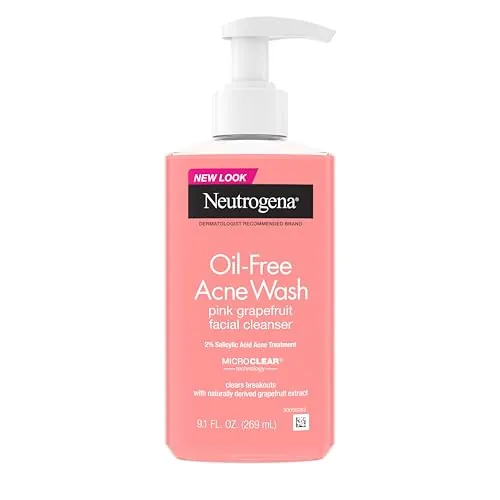
Neutrogena Oil-Free Acne Wash Pink Grapefruit Facial Cleanser
- High customer satisfaction and a 4.6/5 average from 26,808 reviews.
Comparison
Neutrogena Pink Grapefruit Acne Wash and PanOxyl 10% Acne Foaming Wash are rinse-off cleansers for acne-prone skin, but they use different active ingredients. PanOxyl scores higher for effectiveness, while Neutrogena offers a larger bottle, higher ease-of-use score, and better value score. Both have strong customer feedback but mixed reports on dryness and sensitivity.
#1 Overall Winner
Contender
Choose PanOxyl if you specifically want a maximum-strength, unscented benzoyl peroxide wash and are comfortable introducing a strong cleanser carefully. Choose Neutrogena for a more affordable, larger-size salicylic-acid facial cleanser with easier everyday use. Both can be drying, so the better choice depends on active preference and skin tolerance.
Overall winner
Depends on your needs
| Feature | Neutrogena Oil-Free Acne Wash Pink Grapefruit Facial Cleanser | PanOxyl 10% Benzoyl Peroxide Acne Foaming Wash | Winner |
|---|---|---|---|
| Overall beauty score | 82 | 82 | Tie |
| Effectiveness | 84 | 91 | PanOxyl 10% Benzoyl Peroxide Acne Foaming Wash |
| Beauty result | 80 | 78 | Neutrogena Oil-Free Acne Wash Pink Grapefruit Facial Cleanser |
| Skin compatibility | 62 | 58 | Neutrogena Oil-Free Acne Wash Pink Grapefruit Facial Cleanser |
| Active ingredient | Salicylic acid | 10% benzoyl peroxide | Depends |
| Scent | Grapefruit | Unscented | Depends |
| Ease of use | 89 | 79 | Neutrogena Oil-Free Acne Wash Pink Grapefruit Facial Cleanser |
| Application | 85 | 70 | Neutrogena Oil-Free Acne Wash Pink Grapefruit Facial Cleanser |
| Packaging quality | 84 | 54 | Neutrogena Oil-Free Acne Wash Pink Grapefruit Facial Cleanser |
| Value | 88 | 82 | Neutrogena Oil-Free Acne Wash Pink Grapefruit Facial Cleanser |
| Customer satisfaction | 91 | 90 | Neutrogena Oil-Free Acne Wash Pink Grapefruit Facial Cleanser |
| Claim support | 82 | 88 | PanOxyl 10% Benzoyl Peroxide Acne Foaming Wash |
| Price and size | $9.97; 9.1 fl oz | $10.67; 5.5 oz | Neutrogena Oil-Free Acne Wash Pink Grapefruit Facial Cleanser |
PanOxyl leads effectiveness with a score of 91, compared with 84 for Neutrogena. Its listing specifies 10% benzoyl peroxide and positions the product for persistent breakouts on the face and body; many reviews describe fast, noticeable improvement in breakout appearance. Neutrogena's salicylic-acid cleanser also receives substantial praise for managing oil and helping users keep breakouts under control, particularly among oily-skin reviewers. The distinction is that PanOxyl appears more performance-focused, while Neutrogena provides a less intensive everyday-cleanser experience. Neither product can assure the same result for every user.
For the immediate cosmetic result, Neutrogena has a small edge in beauty-result score, 80 versus 78. Its review feedback often describes skin as smooth, clean, fresh, and less oily after rinsing. PanOxyl is more often praised for improving the appearance of active breakouts, but its stronger formula can leave some users with dryness or irritation that may detract from the overall skin look. Results will depend on how each formula agrees with the user's skin.
Neutrogena's 80 beauty-result score slightly exceeds PanOxyl's 78. Its grapefruit cleanser is often associated in reviews with a freshly cleansed, smoother-feeling look and reduced surface oil. PanOxyl earns positive feedback for clearing the look of breakouts, but the supplied reviews also mention redness, roughness, and dryness for some users when the product is too strong for their routine. For a comfortable fresh-after-washing appearance, Neutrogena has the narrower score advantage; for a more intensive breakout-focused approach, PanOxyl may be preferred.
Both products fit an acne-prone skincare routine as rinse-off cleansing steps rather than leave-on treatments. Neutrogena is designed as an oil-free facial cleanser for oily skin and uses salicylic acid. PanOxyl uses 10% benzoyl peroxide and is also positioned for body areas. Each listing recommends regular use, but feedback for both shows that frequency may need to be adjusted when dryness or discomfort occurs. A moisturising step may be particularly relevant for users who experience a tight feeling after cleansing.
Both products have moderate safety scores: 65 for Neutrogena and 62 for PanOxyl. This reflects meaningful user reports of dryness and irritation rather than evidence that either product will cause problems for all users. With Neutrogena, burning, redness, and reactions appear in some feedback. For PanOxyl, the 10% benzoyl peroxide concentration and reviews describing irritation support following the supplied gradual-use directions, rinsing thoroughly, and avoiding overuse. One reviewer also reports fabric bleaching, so care around towels and clothing may be sensible. Discontinue use if a concerning reaction occurs.
Neutrogena scores slightly higher for comfort, 64 versus PanOxyl's 60. Its supporters like the light grapefruit scent and refreshed feel, but detractors describe tightness or roughness after washing. PanOxyl's unscented formula avoids added fragrance, yet reviews frequently characterise it as strong and potentially drying. The comfort choice depends on whether the buyer prefers a fragranced salicylic-acid wash or an unscented, higher-strength benzoyl peroxide formula. Neither has consistently high comfort evidence for delicate skin.
Neutrogena is easier to use on the available scores, 89 versus 79. Its instructions are a familiar cleanser routine: apply to a wet face, gently massage, and rinse. The bottle is also praised by a reviewer as convenient at the sink or in the shower. PanOxyl requires more caution because its directions recommend beginning once daily and increasing gradually if needed; the listing also advises a one-to-two-minute massage before rinsing. That makes it more routine-intensive despite still being a rinse-off product.
Neutrogena leads application, 85 to PanOxyl's 70. Its lightweight lotion form, massage-and-rinse directions, and bottle format support a straightforward facial-cleansing step. PanOxyl is supplied as a gel in a tube and its description calls it foaming, but review feedback is inconsistent: some users praise its lather while others say it produces little or no foam. PanOxyl also requires more deliberate timing and frequency management, which may make application feel less effortless for some users.
Skin compatibility is a caution area for both products: Neutrogena scores 62 and PanOxyl scores 58. Neutrogena has positive reports from some oily and combination users, but other reviewers report tightness, dryness, burning, redness, and reactions. PanOxyl's 10% benzoyl peroxide formula has similarly mixed feedback, with several reviewers calling it drying or harsh, particularly when used too often. The slight score lead goes to Neutrogena, but neither should be assumed to suit sensitive or dry-feeling skin without a careful introduction.
As rinse-off cleansers, finish quality refers mainly to the after-wash skin feel. Neutrogena scores 78 versus PanOxyl's 72 and is more consistently associated with a fresh, clean, non-oily feel. PanOxyl can leave skin feeling clean as well, but its reviews more often raise concerns about dryness or a stripped feeling. Users who prefer a less austere post-cleanse feel may favour Neutrogena, while those prioritising a stronger cleansing sensation may accept PanOxyl's trade-off.
PanOxyl leads longevity, 76 to Neutrogena's 70, although longevity is less direct for rinse-off cleansers than for leave-on beauty products. The score and buyer feedback suggest PanOxyl's effects are perceived as longer-lasting by some users, particularly those using it on face and body breakout-prone areas. Neutrogena supports a consistent twice-daily cleansing routine in its directions. Individual results and how long either product remains comfortable in a routine can vary with skin tolerance and use frequency.
PanOxyl has a slightly higher scent score, 80 versus 77, largely because it is listed as unscented. Neutrogena's grapefruit scent is repeatedly praised as light, fresh, and pleasant, but a fragranced cleanser will not suit every preference. PanOxyl may be the more practical choice for users avoiding added fragrance, while Neutrogena is better for those who enjoy a citrus-scented cleansing experience.
PanOxyl has a small durability lead, 74 versus 72. For these consumable cleansers, durability is most relevant to product usability and packaging stability rather than long-term hardware reliability. The supplied information does not document widespread leaking, drying out, or instability for either product. PanOxyl's slightly higher score should therefore be treated as a modest distinction, not a decisive advantage. Neutrogena's higher packaging-quality score remains more relevant to everyday handling and dispensing.
Neutrogena scores higher for personalization, 60 versus 46. Its positioning is more specific to oily skin and its grapefruit scent offers a distinct sensory preference, although that fragrance can also be a limitation. PanOxyl offers fewer listed format choices but has a different practical flexibility: it is positioned for both face and body use. Neither supplied product data provides shade, size-range, intensity-setting, or extensive skin-type customisation information, so personalization is limited for both.
PanOxyl scores higher for ingredient quality, 81 versus 74. The supplied data clearly identifies its 10% benzoyl peroxide active, unscented positioning, and inclusion of moisturisers in the product description. Neutrogena identifies salicylic acid as its active and includes grapefruit extract, vitamin C in the listed benefits, and an oil-free format. Neither supplied listing provides a full ingredient list, so this comparison cannot assess every component or establish that either formula is broadly gentle. Neutrogena's fragrance is a practical consideration, while PanOxyl's high active concentration is the larger tolerance consideration.
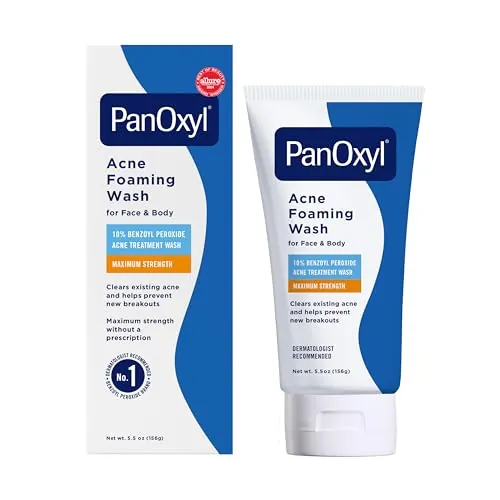
Neutrogena has a clear packaging advantage, scoring 84 compared with PanOxyl's 54. It comes in a 9.1 fl oz bottle, and a reviewer specifically describes the pump bottle as convenient for shower or sink use. PanOxyl is supplied in a 5.5 oz tube; the available data does not establish a universal packaging defect, but its lower score suggests a less favourable overall dispensing and packaging experience. Buyers prioritising routine convenience and a larger format should favour Neutrogena.
Neutrogena is the stronger value option, with a score of 88 compared with PanOxyl's 82. At the listed prices, Neutrogena costs $9.97 for 9.1 fl oz, while PanOxyl costs $10.67 for 5.5 oz. Neutrogena also has review feedback calling it affordable and long-standing repurchase material. PanOxyl's value case rests on its 10% benzoyl peroxide formula, face-and-body use, and higher effectiveness score rather than its size or upfront price. Buyers who specifically want that active format may still find its value appropriate.
Neutrogena has a modest brand-trust advantage, scoring 80 versus PanOxyl's 75. Both products have large review counts, established manufacturer information, and strong average ratings, which indicate substantial buyer familiarity. The supplied data does not provide detailed evidence about either brand's service, manufacturing practices, or broader transparency. The score difference is therefore useful as a general confidence signal, but it should not outweigh the more practical distinction between salicylic acid and 10% benzoyl peroxide.
Customer satisfaction is exceptionally close: Neutrogena scores 91 and PanOxyl scores 90, and both have 4.6/5 average ratings. PanOxyl has the much larger review base at 80,587 reviews, with frequent praise for effectiveness on stubborn breakouts. Neutrogena has 26,808 reviews and is often appreciated for a fresh feel, pleasant scent, and value. The recurring downside for both is skin comfort. Neutrogena reviews mention dryness and sensitivity, while PanOxyl feedback more often emphasises the need to avoid overuse because of its strong formula.
PanOxyl leads claim support with a score of 88 against Neutrogena's 82. Its supplied details specify 10% benzoyl peroxide, a face-and-body use case, directions for gradual frequency increases, and a manufacturer-reported laboratory statement. That is more detailed support than the Neutrogena listing provides. Neutrogena clearly identifies salicylic acid, oily-skin positioning, and oil-free status, while customer reviews provide additional experience-based feedback. Listing claims and reviews should not be treated as a guarantee, and customer opinions are not clinical evidence.
There is no single overall winner because both products earn an overall beauty score of 82, but they serve different preferences. PanOxyl 10% Benzoyl Peroxide Acne Foaming Wash wins for reported effectiveness and claim support. Its main strength is a high-strength, unscented formula that is positioned for both face and body; its main limitation is a greater risk of dryness and routine friction in the supplied feedback.
Neutrogena Oil-Free Acne Wash Pink Grapefruit wins for value, ease of use, application, packaging, and slightly better skin compatibility. Its key advantage is a convenient, larger-size salicylic-acid cleanser for oily skin, while its main limitation is mixed feedback around dryness and fragrance-related tolerance. Choose based on active ingredient preference and personal comfort, not ratings alone.

Overall winner
Depends on your needs
Neither is the universal winner. PanOxyl has the higher effectiveness and claim-support scores, making it the stronger data-led choice for users specifically seeking a maximum-strength benzoyl peroxide wash. Neutrogena scores better for value, ease of use, packaging, and skin compatibility. Both have mixed dryness feedback, so routine tolerance is an important deciding factor.
Both products are aimed at acne-prone skin, but Neutrogena is specifically listed for oily skin and has a lightweight, oil-free format. PanOxyl may appeal when a stronger 10% benzoyl peroxide cleanser is desired, including for body areas. Review feedback for both includes dryness concerns, so an oily skin type alone does not guarantee comfort.
PanOxyl is listed with 10% benzoyl peroxide and is described as maximum over-the-counter strength. Neutrogena is a salicylic-acid cleanser. These are different active ingredients, so strength is not a like-for-like measure; however, PanOxyl has the higher effectiveness score and more reviews describing a potent, potentially drying experience.
Neither cleanser has especially strong sensitivity evidence in the supplied data. Neutrogena has a slightly higher skin compatibility score of 62 versus 58 for PanOxyl, but it also has reports of burning, redness, and dryness. PanOxyl's 10% formula has repeated harshness and irritation reports. Consider a cautious introduction and stop use if discomfort occurs.
Neutrogena has the higher value score of 88 versus 82 and costs less at the listed price while providing a larger 9.1 fl oz bottle. PanOxyl may still represent suitable value for users who specifically want its 10% benzoyl peroxide formula and face-and-body positioning. Value depends on whether that stronger active format fits the user's routine.
Yes. The supplied listing describes PanOxyl as a face-and-body cleanser and specifically mentions chest and back use. Its directions say to wet the area, massage the wash onto skin, rinse thoroughly, and begin once daily before increasing only if needed or directed. Reviewers still report that frequent use can be drying.
Neutrogena is the simpler beginner-oriented option based on its higher ease-of-use score of 89, higher application score, and standard daily facial-cleanser directions. PanOxyl's score is lower at 79, and its listing directs users to start once daily and increase gradually. Its stronger formula also makes careful routine planning more important.
PanOxyl has the higher claim-support score of 88 compared with Neutrogena's 82, supported by clear active-ingredient and use information in the supplied listing. Both products also have extensive positive buyer feedback, but customer experiences are not clinical proof. Neither product's marketing language should be interpreted as a guarantee of an individual result.
Check our rankings and expert guides to find the best beauty products for your goals.