#1 Overall Winner
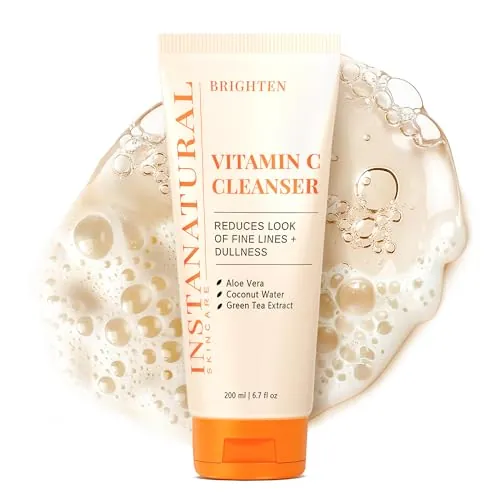
InstaNatural Vitamin C Cleanser
- Affordable 6.7 fl oz gel cleanser with a high value score.
Comparison
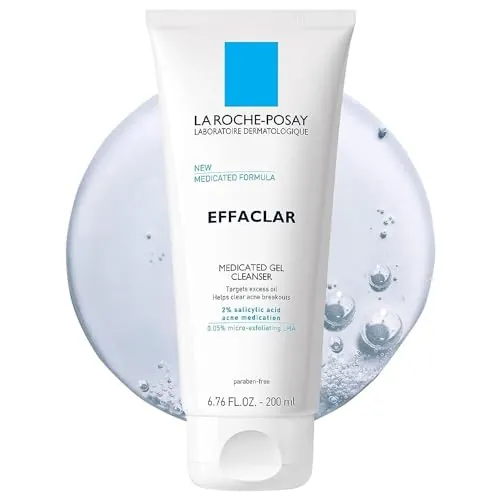
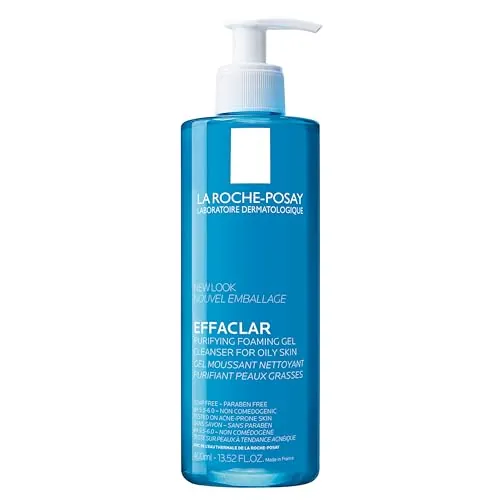
InstaNatural Vitamin C Cleanser and La Roche-Posay Effaclar Medicated Gel Cleanser are gel face washes with different priorities. InstaNatural is a lower-priced, citrus-scented cleanser centred on vitamin C and botanical ingredients, while Effaclar is a fragrance-free 2% salicylic acid cleanser designed around oily, acne-prone skin. Effaclar leads the supplied score data overall, but InstaNatural may suit users seeking broader listed skin-type coverage and a gentler-feeling daily-cleansing approach.
#1 Overall Winner
Contender
Choose La Roche-Posay Effaclar if you have oily or acne-prone skin and want a fragrance-free cleanser with 2% salicylic acid. Choose InstaNatural Vitamin C Cleanser if you want a less expensive, citrus-scented gel wash with vitamin C and botanical ingredients. For easily irritated skin, either option needs an individual tolerance check.
Overall winner
Depends on your needs
| Feature | InstaNatural Vitamin C Cleanser | La Roche-Posay Effaclar Medicated Gel Cleanser | Winner |
|---|---|---|---|
Overall score |
79 |
82 |
La Roche-Posay Effaclar Medicated Gel Cleanser |
Best routine fit |
Broad daily cleansing and brighter-looking skin |
Oily, acne-prone and excess-oil routines |
Depends |
Key ingredients |
Vitamin C, aloe vera, coconut water, green tea extract |
2% salicylic acid, LHA, glycerin, zinc gluconate |
Depends |
Effectiveness score |
83 |
86 |
La Roche-Posay Effaclar Medicated Gel Cleanser |
Beauty result score |
82 |
84 |
La Roche-Posay Effaclar Medicated Gel Cleanser |
Skin compatibility score |
73 |
76 |
La Roche-Posay Effaclar Medicated Gel Cleanser |
Scent |
Citrus |
Unscented; fragrance-free |
Depends |
Ingredient quality score |
72 |
82 |
La Roche-Posay Effaclar Medicated Gel Cleanser |
Safety score |
68 |
78 |
La Roche-Posay Effaclar Medicated Gel Cleanser |
Ease-of-use score |
86 |
87 |
La Roche-Posay Effaclar Medicated Gel Cleanser |
Value score |
85; $15.67 for 6.7 fl oz |
82; $18.99 for 6.8 fl oz |
InstaNatural Vitamin C Cleanser |
Customer satisfaction score |
84; 4.3/5 from 18,158 reviews |
89; 4.6/5 from 19,566 reviews |
La Roche-Posay Effaclar Medicated Gel Cleanser |
Claim support score |
70 |
80 |
La Roche-Posay Effaclar Medicated Gel Cleanser |
Personalization score |
76 |
68 |
InstaNatural Vitamin C Cleanser |
Effaclar leads effectiveness, scoring 86 compared with InstaNatural's 83. Its formula has a defined 2% salicylic acid active plus LHA, and the listing specifically focuses on excess oil, blackheads, whiteheads and breakouts. Reviews commonly support its ability to leave oily skin feeling cleaner and less congested, although outcomes vary and some users still report breakouts or dryness. InstaNatural also performs well as a cleanser: reviewers repeatedly praise makeup removal, cleansing without an overly stripped feel and smoother-looking skin. Its supplied data offers less direct support for its brightening and anti-aging positioning than Effaclar's oil-control-focused use case.
Both cleansers are associated with a cleaner, smoother-looking complexion rather than a makeup-style finish. InstaNatural reviewers often describe skin as soft, fresh and brighter-looking after use, with feedback also mentioning a more even-looking tone. Effaclar's results are more closely tied to reducing the look of excess oil, surface congestion and uneven texture in oily or acne-prone routines. With an 84 beauty-result score versus 82, Effaclar has a narrow data-led edge, but InstaNatural may be preferable if a softer-feeling, less oil-control-focused cleanse is the goal.
Effaclar's beauty-result score is 84, slightly ahead of InstaNatural's 82. The difference reflects a more targeted oil-control and pore-focused cleansing profile, with users often reporting smoother texture and a less shiny feel. InstaNatural has a strong result profile too, especially among reviewers who value skin that feels soft, moisturised and brighter-looking after cleansing. Since both are rinse-off products, visible outcomes will vary with overall routine, skin type and regularity of use. Effaclar is the stronger choice for an oil-controlled look; InstaNatural is more aligned with a fresh, soft-looking finish.
InstaNatural is a broad daily facial cleanser with vitamin C and botanical ingredients, while Effaclar is a medicated salicylic-acid cleanser aimed at oil and breakout concerns. Effaclar supplies more specific active-ingredient and testing information, making it easier to place in an acne-prone routine. InstaNatural may fit users who prefer a cleanser listed for dry, normal, combination and oily skin. Neither cleanser replaces the need to monitor dryness, discomfort or other signs that a routine is not working well for your skin.
Effaclar scores 78 for safety compared with 68 for InstaNatural. Its listing includes usage directions, eye-area avoidance guidance and testing statements, while the formula is fragrance-free. Still, it contains 2% salicylic acid and menthol, and dryness is a recurring review concern. InstaNatural has reports of a gentle cleanse and is listed for sensitive skin, but its review overview also notes burning sensations and increased sensitivity for some users. Avoid getting either cleanser in the eyes, introduce a new active cleanser carefully, and stop use if it causes persistent burning, swelling or other concerning discomfort.
Comfort scores are close: Effaclar earns 78 and InstaNatural 77. Many Effaclar users like its clean, fresh, non-greasy feel and unscented profile, although some find the formula too drying with regular use. InstaNatural receives praise for a soft, moisturised after-feel and a light citrus aroma, but scent is a personal preference and some users report burning. Neither score suggests a clear universal comfort winner. Effaclar may feel better for users who dislike fragrance; InstaNatural may appeal to those who enjoy a light citrus sensory experience.
Both products are simple gel cleansers, with Effaclar scoring 87 for ease of use and InstaNatural scoring 86. Effaclar offers detailed instructions for wetting the face, applying with fingertips, rinsing and patting dry. InstaNatural's concentrated gel texture is frequently described as needing only a small amount. The practical difference is routine management: Effaclar's active formula may require more attention to frequency and moisturising if dryness develops. InstaNatural's older pump packaging drew leakage and travel-convenience complaints, although one reviewer noted newer packaging as an improvement.
Effaclar has an application score of 85, one point above InstaNatural's 84. Reviewers describe Effaclar as a gel that foams and rinses easily, though some say it is runny. InstaNatural is described as a concentrated gel that lathers when worked with water; users often say a small amount goes a long way. Both should be applied away from the eyes and rinsed thoroughly. The better application experience depends on whether you prefer a more foaming, oil-focused wash or a concentrated citrus gel with a softer-feeling finish.
Effaclar scores 76 for skin compatibility, ahead of InstaNatural at 73, but both have meaningful tolerance caveats. Effaclar is fragrance-free and is listed as tested on sensitive skin, yet its 2% salicylic acid and menthol can be drying or uncomfortable for some users. InstaNatural is listed for sensitive skin and some reviewers with sensitive complexions reported good experiences, but others mention burning or a raw-feeling sensitivity. Dry, reactive or compromised-feeling skin should be especially careful with frequency and discontinue either cleanser if it causes irritation.
For cleansers, finish quality is best understood as the after-wash skin feel. Effaclar scores 82 versus 80 for InstaNatural and is frequently described as leaving a clean, smooth, residue-free feel. Its potential downside is that this can become tight or dry for some users. InstaNatural is commonly praised for a soft, moisturised-feeling finish that does not feel overly stripped, though tolerance is not consistent across reviews. Choose Effaclar for a cleaner, more oil-controlled finish and InstaNatural for a softer, more refreshing post-cleanse feel.
Effaclar has a longevity score of 72, compared with 67 for InstaNatural. In this cleanser comparison, the score most usefully reflects how well the desired post-cleanse result appears to hold up rather than literal product wear. Effaclar's listing includes a clinical statement about reducing excess surface oil throughout the day, while reviewers often note a less oily feel. InstaNatural receives positive feedback for fresh, smooth-feeling skin, but the supplied data is less specific about sustained results. Individual skin oiliness and the rest of the routine will influence outcomes.
InstaNatural leads scent at 82 versus Effaclar's 76. Its citrus fragrance is frequently described as mild, fresh or pleasant, although scented products are not ideal for everyone. Effaclar is listed as unscented and fragrance-free, which may suit users who want to avoid fragrance. However, menthol is listed and one reviewer noticed a menthol smell and cooling sensation. Preference depends on whether you want a citrus sensory element or a fragrance-free formula.
InstaNatural has a durability score of 78 versus 75 for Effaclar. For rinse-off cleansers, this score is most relevant to product stability and packaging usability rather than hardware durability. InstaNatural's concentrated formula may help the bottle last because reviewers say a small amount is enough, although pump leakage can create mess or waste. Effaclar is likewise described as requiring only a small amount, but runny consistency and leakage reports may affect storage convenience. Keep either bottle closed securely and avoid storage positions that encourage leaks.
InstaNatural scores 76 for personalization, ahead of Effaclar at 68. Its product listing names all, combination, dry, normal, oily and sensitive skin types, giving it broader stated routine relevance. Effaclar is more narrowly tailored to oily and sensitive skin, with a specific acne and excess-oil focus. That narrower positioning can be an advantage for the right user, especially someone seeking salicylic acid. Neither product has shades, sizes, intensity settings or multiple finish options in the provided information, so personalization largely comes down to skin condition, scent preference and active-ingredient tolerance.
Effaclar has the stronger ingredient-quality score at 82, compared with 72 for InstaNatural. Its listing provides a detailed inactive-ingredient list alongside 2% salicylic acid, LHA, glycerin, zinc gluconate and menthol. This makes formula evaluation more transparent, although salicylic acid and menthol may not suit every user. InstaNatural lists vitamin C, aloe vera, coconut water, green tea extract and botanical extracts, which may appeal to shoppers looking for these ingredients. However, a complete ingredient list is not supplied here, so the formula cannot be assessed as comprehensively. “Natural” positioning alone does not establish superior ingredient quality.
InstaNatural scores 80 for packaging quality, ahead of Effaclar at 72. InstaNatural's feedback includes an older pump that could leak and was inconvenient for travel, while one reviewer viewed a newer package design as an improvement. Effaclar's supplied reviews include reports that the runny gel or cap can leak, particularly when stored cap-down. Packaging may vary, so inspect the seal and dispenser on arrival. Neither product has fault-free packaging feedback, but InstaNatural has the stronger score.
InstaNatural is the value winner, with a score of 85 versus 82 for Effaclar. At the supplied prices, InstaNatural costs $15.67 for 6.7 fl oz, while Effaclar costs $18.99 for 6.8 fl oz. That makes the difference mainly about formula focus rather than bottle size. InstaNatural also receives repeated comments that a small amount lathers well, supporting its value case. Effaclar costs more but has higher effectiveness, ingredient-quality and customer-satisfaction scores, so its price may be justified for shoppers specifically seeking 2% salicylic acid and oil-control support.
Effaclar has the higher brand-trust score, 86 compared with InstaNatural's 75. Its listing states that the cleanser was developed with dermatologists and provides detailed formula, testing and usage information. This is stronger supplied context for evaluating the product, although brand statements should not be treated as a guarantee of individual results. InstaNatural has substantial review volume and loyal repeat-purchase feedback, which supports consumer confidence. Its more moderate score reflects less complete supplied formula detail and more limited support for some broader product claims.
Effaclar leads customer satisfaction with a score of 89, a 4.6/5 rating and 19,566 reviews, compared with InstaNatural's 84, 4.3/5 rating and 18,158 reviews. Effaclar praise centres on cleansing oily skin, smoother texture, fragrance-free use and reduced-feeling congestion. Repeated complaints include dryness, tightness and occasional packaging issues. InstaNatural has extensive positive feedback for makeup removal, soft skin, citrus scent and a brighter-looking complexion. Its main recurring drawback is variable sensitivity tolerance, including reports of burning. Neither review pattern proves the same result will occur for all users.
Effaclar scores 80 for claim support, ahead of InstaNatural at 70. It identifies 2% salicylic acid as an active ingredient, supplies a full inactive-ingredient list, gives directions and includes a specific clinical oil-reduction statement in the listing. These details provide clearer context for its acne- and oil-control positioning, though listing claims are not the same as a guarantee of results. InstaNatural lists vitamin C and several botanical ingredients, and reviews mention brightening and smoothing experiences. However, the provided data offers more limited support for its anti-aging and discoloration-related claims, especially for a rinse-off cleanser.
Both products receive an ethical-transparency score of 68, and the supplied data does not establish a clear winner. InstaNatural describes a commitment to formulating without potentially harmful ingredients, while one review mentions that the brand's products are not tested on animals; this review statement is not independent verification. Effaclar lists fragrance-free, paraben-free and testing-related features, but these are formulation and testing details rather than broader ethical certifications. No verified sustainability or certification comparison is provided.
La Roche-Posay Effaclar Medicated Gel Cleanser wins overall because it has the stronger total score and clearer advantages in effectiveness, ingredient transparency, safety, customer satisfaction and support for its oil-control claims. Its main strength is its focused 2% salicylic acid and LHA formula for oily, acne-prone routines. Its main limitation is the possibility of dryness, particularly with frequent use.
InstaNatural Vitamin C Cleanser remains a competitive alternative. Its main strengths are lower cost, strong value, broad listed skin-type coverage and positive feedback for softness, makeup removal and a brighter-looking complexion. Its main limitation is inconsistent sensitivity feedback and less complete supplied ingredient information. Pick Effaclar for targeted oil and breakout concerns; pick InstaNatural for a more general, citrus-scented daily cleanse if your skin tolerates it.

Overall winner
Depends on your needs
La Roche-Posay Effaclar has the higher overall score and leads on effectiveness, ingredient quality, safety, brand trust and customer satisfaction. It is the more targeted option for oily and acne-prone skin because it contains 2% salicylic acid. InstaNatural is the lower-priced choice for shoppers who prefer a citrus-scented cleanser and a formula listed for more skin types.
Effaclar is the clearer fit based on the supplied information. Its 2% salicylic acid, LHA and oil-control positioning are designed around oily, blemish-prone skin, and its effectiveness score is higher. Reviews are generally positive, although some users report dryness. InstaNatural also has breakout-related feedback, but its formula and listing are less specifically focused on oil control.
Neither is a guaranteed choice for every sensitive user. Effaclar is fragrance-free and listed as allergy-, dermatologist- and sensitive-skin-tested, but it contains salicylic acid and menthol, and some reviews report dryness. InstaNatural is listed for sensitive skin and some reviewers liked it, yet others reported burning. Introduce either product cautiously and stop use if irritation occurs.
The supplied product details list the scent as citrus, and review feedback commonly describes a mild citrus or fresh scent. This differs from Effaclar, which is listed as unscented and fragrance-free. Shoppers who prefer to avoid scented facial products may find Effaclar easier to consider, while noting that its formula includes menthol.
Results vary. Many reviewers say Effaclar cleanses oil without leaving their skin stripped, but others describe dryness, tightness or flaking, especially with frequent use. The product contains 2% salicylic acid, so following its directions and using a suitable moisturiser may be practical. Users who develop persistent discomfort should discontinue use and seek appropriate advice.
InstaNatural scores higher for value and costs less at the supplied prices, while offering 6.7 fl oz compared with Effaclar's 6.8 fl oz. Effaclar costs more but has stronger scores for targeted effectiveness, ingredient quality and customer satisfaction. The better value choice depends on whether a broad daily cleanser or a salicylic-acid, oil-control formula is the priority.
Both are straightforward gel cleansers with strong ease-of-use and application scores. InstaNatural may feel simpler for a beginner wanting a general daily cleanser, while Effaclar requires more attention to dryness and tolerance because it contains 2% salicylic acid. Effaclar provides clear directions to apply gently, avoid the eye area, rinse thoroughly and use a soft towel to pat dry.
No. Effaclar has the higher claim-support score and provides a named 2% salicylic acid active, LHA, full inactive-ingredient disclosure and a specific clinical oil-reduction statement in its listing. InstaNatural has positive user feedback about brighter-looking and smoother-feeling skin, but its brightening and anti-aging claims have more limited support in the supplied data.
Check our rankings and expert guides to find the best beauty products for your goals.