#1 Overall Winner
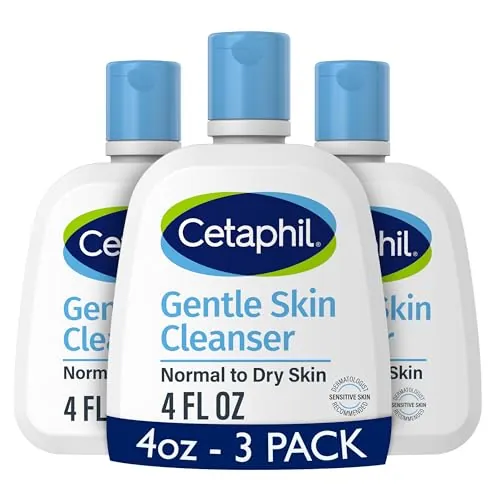
Cetaphil Gentle Skin Cleanser
- Fragrance-free, soap-free formula designed for dry to normal sensitive skin.
Comparison
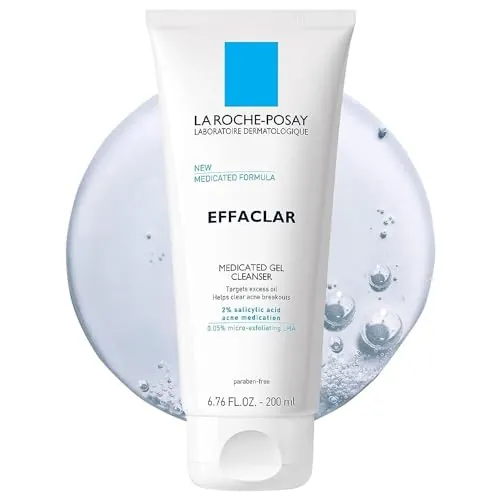
Cetaphil Gentle Skin Cleanser is a creamy, non-foaming face wash aimed at dry to normal sensitive skin, while La Roche-Posay Effaclar is a foaming gel designed to remove excess oil from oily skin. Cetaphil leads on skin compatibility, comfort, scent consistency, and value; Effaclar scores higher for cleansing effectiveness and ease of use.
#1 Overall Winner
Contender
Choose Cetaphil if dry or sensitive skin, fragrance-free cleansing, and value are your priorities. Choose La Roche-Posay Effaclar if you have oily skin and prefer a foaming gel that is rated more highly for cleansing effectiveness. Both are well-reviewed, but their textures and intended skin concerns differ.
Overall winner
Depends on your needs
| Feature | Cetaphil Gentle Skin Cleanser | La Roche-Posay Effaclar Purifying Foaming Gel Cleanser | Winner |
|---|---|---|---|
| Overall fit | 90 overall score |
86 overall score |
Cetaphil Gentle Skin Cleanser |
| Main skin focus | Dry to normal, sensitive skin |
Oily skin and excess oil |
Depends |
| Effectiveness | 87 |
90 |
La Roche-Posay Effaclar Purifying Foaming Gel Cleanser |
| Skin compatibility | 96 |
88 |
Cetaphil Gentle Skin Cleanser |
| Texture | Creamy, non-foaming |
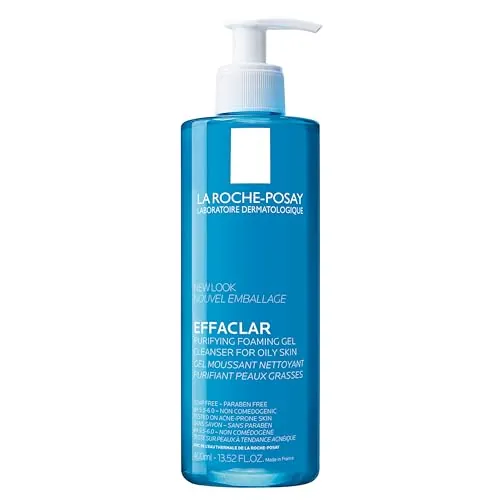
Clear foaming gel |
Depends |
| Scent | Unscented; 98 |
Unscented listing; 62 |
Cetaphil Gentle Skin Cleanser |
| Comfort | 92 |
86 |
Cetaphil Gentle Skin Cleanser |
| Ease of use | 85 |
90 |
La Roche-Posay Effaclar Purifying Foaming Gel Cleanser |
| Packaging | Three 4 oz tubes; 80 |
Bottle; 84 |
La Roche-Posay Effaclar Purifying Foaming Gel Cleanser |
| Value | $8.87 listed; 95 |
$24.99 listed; 68 |
Cetaphil Gentle Skin Cleanser |
| Customer satisfaction | 4.6/5 from 37,051 reviews; 95 |
4.7/5 from 53,732 reviews; 94 |
Tie |
| Claim support | 89 |
88 |
Cetaphil Gentle Skin Cleanser |
Effaclar takes the effectiveness lead, scoring 90 compared with Cetaphil’s 87. Its oily-skin positioning, foaming gel format, and zinc pidolate align with repeated review comments about removing excess oil and leaving skin fresh. Cetaphil still scores strongly for its intended purpose: reviewers commonly find it cleans effectively without leaving dry skin tight. The practical difference is cleansing intensity. Cetaphil’s mild, non-foaming approach may leave makeup or sunscreen behind for some users, while Effaclar’s more thorough feel may be too drying for others.
Both cleansers have the same beauty-result score of 84, but they create different immediate finishes. Cetaphil is more often associated with a soft, smooth, comfortable skin feel, which may suit users who dislike a tight post-cleanse appearance. Effaclar is more often associated with a fresh, clean, less-shiny finish, which aligns with its oily-skin focus. The better visible result depends on whether the goal is comfort and softness or a more thoroughly purified, matte-leaning feel.
With identical 84 beauty-result scores, neither product has a measurable lead in the supplied assessment. Cetaphil’s reviews favor a soft, smooth appearance and a comfortable after-feel, consistent with its hydration-focused positioning. Effaclar reviews favor a clean, refreshed, less-oily look, consistent with its purifying focus. Users seeking a comfortable, less stripped-looking finish may prefer Cetaphil; those most concerned with visible shine may prefer Effaclar.
Both products fit a basic facial cleansing step and are listed as non-comedogenic and suitable for sensitive skin. Cetaphil is more hydration-oriented, with glycerin, panthenol, and niacinamide listed, while Effaclar is more focused on removing excess oil with zinc pidolate. Neither cleanser replaces products chosen for other routine needs, such as moisturizer or sun protection. Individual tolerance varies, particularly when skin feels dry, reactive, or easily irritated.
Cetaphil has the higher safety score, 94 compared with 87 for Effaclar. The Cetaphil listing is fragrance-free, hypoallergenic, soap-free, and non-comedogenic, and its reviews broadly support a gentle experience, though individual reactions are still possible. Effaclar is listed as dermatologist-tested, allergy-tested, alcohol-free, soap-free, and non-comedogenic, but supplied feedback includes occasional irritation and dryness concerns. Avoiding direct eye contact, following the product directions, and stopping use if a product causes discomfort are sensible general precautions for either facial cleanser.
Cetaphil leads on comfort, 92 to Effaclar’s 86. Its creamy, non-foaming texture is repeatedly described as soft and non-drying, especially by users with dry skin. Effaclar also receives positive feedback for a clean, balanced finish and light foam, but some reviewers find it a little drying. If a cushioned, low-lather feel is most comfortable, Cetaphil has the clearer advantage; if foam feels more satisfying, Effaclar may be preferred.
Effaclar scores higher for ease of use, 90 versus 85. Its pump dispenser and familiar foaming-gel texture make dosage and rinse-off use straightforward, with reviewers noting that a small amount creates ample foam. Cetaphil is also uncomplicated, but the non-lathering consistency can require an adjustment for users who associate foam with cleansing. Cetaphil’s three small tubes offer a practical travel advantage, while Effaclar’s bottle is more convenient at a sink.
Effaclar has a slight application edge, scoring 85 compared with 83 for Cetaphil. The clear gel forms a light foam and is often described as easy to spread and rinse. Cetaphil’s creamy cleanser applies smoothly but does not lather, and some reviewers describe the texture as slippery or slimy. Neither application style is objectively superior: Effaclar favors a traditional face-wash experience, while Cetaphil favors a gentler, low-foam application.
Cetaphil has the stronger skin-compatibility score at 96 versus 88 for Effaclar. Its fragrance-free specification and reviews describing minimal tightness support its fit for dry to normal sensitive skin. Effaclar is listed as sensitive-skin tested, allergy tested, and non-comedogenic, and many users report good tolerance. However, the provided review overview also notes irritation and dryness for some users. Sensitive users should not assume either product will suit them universally; ingredient review and patch testing can help guide a cautious first use.
Effaclar narrowly leads on finish quality, 83 to Cetaphil’s 82, though the difference is small. Its foam is often described as leaving skin clean, fresh, and less oily. Cetaphil’s creamy, non-lathering finish is described as soft and non-stripping, but the slightly slippery texture is not for everyone. The result is a preference call: a purified feel favors Effaclar, while a cushioned, comfortable feel favors Cetaphil.
Both products have a longevity score of 78, so there is no clear score-based winner. For cleansers, longevity is most relevant to how the post-cleanse feel holds up and how long the product remains usable in its packaging. Cetaphil’s listing mentions hydration when wiped off, but this should not be assumed to apply to every rinsed routine. Effaclar reviewers say a small amount can go a long way, though this is individual experience rather than a guaranteed usage rate.
Cetaphil is the more reliable choice for scent-sensitive shoppers, with a 98 scent score and an unscented, fragrance-free specification. Effaclar is also specified as unscented, but its review overview records mixed fragrance opinions, ranging from light or pleasant to noticeably scented. This inconsistency makes Cetaphil the safer option when avoiding detectable fragrance is especially important.
Cetaphil has a small durability lead, 82 to Effaclar’s 79. For these consumable cleansers, this primarily reflects product and package usability rather than tool-like longevity. Cetaphil’s sealed tube format can be convenient for separate travel or backup units. Effaclar’s pump format is praised by some users, but the supplied information does not establish a major durability difference. Both should be stored and used according to their packaging directions.
Both products have a personalization score of 72, with no meaningful score-based winner. Their personalization comes primarily from skin-concern targeting rather than shades, scents, or multiple finishes. Cetaphil is more specifically aligned with dry to normal sensitive skin and a non-foaming preference. Effaclar is more specifically aligned with oily skin and a foaming preference. Neither supplied listing presents settings, multiple scent choices, or other major customization options.
Cetaphil scores higher for ingredient quality, 88 versus 80. Its supplied list includes glycerin, panthenol, and niacinamide alongside a fragrance-free, paraben-free, and sulfate-free product description. Effaclar lists zinc pidolate and thermal spring water and is described as alcohol-free, oil-free, paraben-free, and soap-free. Both formulas include information relevant to their intended user: Cetaphil emphasizes moisture-supporting ingredients, while Effaclar emphasizes cleansing excess oil. The supplied data does not provide a complete comparative assessment of every formula component or confirm that either formula will suit all skin types.
Effaclar scores slightly higher for packaging quality, 84 versus 80. Its bottle and pump earn positive comments for smooth dispensing and for making it easier to see when product is running low. Cetaphil’s three 4 oz tubes are compact and convenient for travel, and users appreciate avoiding a large bottle in luggage. The best format depends on use: Effaclar is more convenient for a fixed bathroom routine, while Cetaphil is more portable.
Cetaphil is the clear value leader, with a 95 value score versus 68 for Effaclar. The listed Cetaphil three-pack costs $8.87 and provides 12 fluid ounces in total, while Effaclar is listed at $24.99. Cetaphil reviews specifically call out good value, including compared with smaller sizes. Effaclar’s price may still feel reasonable to users who like its oil-focused performance, pump format, and foaming feel; some reviewers also say a little goes a long way. Higher price alone does not make a product worse, but Cetaphil delivers the stronger value proposition in this data.
Cetaphil has a modest brand-trust lead, scoring 88 compared with 82 for La Roche-Posay. Cetaphil’s supplied information includes dermatologist recommendation for sensitive skin, while La Roche-Posay is described as dermatologist-tested and sensitive-skin tested. Both brands benefit from strong review volumes and high buyer ratings. The available data supports confidence in both as established skincare options, but it does not independently verify all listing statements or determine individual product suitability.
Customer satisfaction is very strong for both products: Cetaphil scores 95 with a 4.6/5 rating from 37,051 reviews, while Effaclar scores 94 with a 4.7/5 rating from 53,732 reviews. Cetaphil praise centers on gentleness, softness, fragrance-free use, and value; its recurring criticism is limited standalone makeup removal and lack of foam. Effaclar praise centers on oil removal, foam, and a fresh feel; its recurring concerns are price, scent, and occasional dryness or irritation. Both show broad positive buyer sentiment rather than a decisive satisfaction gap.
Claim-support scores are close: 89 for Cetaphil and 88 for Effaclar. Cetaphil’s sensitive-skin, non-stripping positioning is broadly consistent with reviewer comments about softness and comfort, though its hydration and sensitivity claims remain product claims rather than proof of a universal result. Effaclar’s oil-cleansing focus is similarly reflected in reviews describing less surface oil and a clean feel. Some reviews conflict with individual listing details, especially around Effaclar’s scent and both products’ makeup-removal capability. Customer feedback is useful context, but it is not clinical evidence.
Cetaphil Gentle Skin Cleanser wins this comparison overall because it combines excellent skin compatibility, comfort, fragrance-free positioning, customer satisfaction, and especially strong value. Its main limitation is that its mild, non-foaming formula may not fully remove makeup or sunscreen on its own. La Roche-Posay Effaclar is the better performance pick for oily skin: it has the higher effectiveness score, a satisfying foaming texture, and strong review support for reducing excess surface oil. Its main drawbacks are lower value and more mixed feedback on scent, dryness, and sensitivity. Neither cleanser is universally better. Pick Cetaphil for a gentle hydration-oriented routine and Effaclar for an oil-focused, foaming cleanse.
Overall winner
Depends on your needs
Cetaphil is the stronger overall choice in the supplied scoring because it leads on skin compatibility, comfort, scent, value, safety, and customer satisfaction. La Roche-Posay Effaclar has the higher effectiveness score and is the more targeted option for excess oil. The better fit therefore depends chiefly on whether hydration-focused gentleness or a foaming oil-control cleanse is the priority.
Cetaphil is the clearer match for dry to normal sensitive skin. Its listing is fragrance-free and highlights glycerin, panthenol, and niacinamide, while its skin-compatibility score is higher. Reviews frequently describe a soft, non-tight after-feel. As with any facial product, individual reactions can vary, so checking the ingredient list and patch testing may be sensible for highly reactive skin.
La Roche-Posay Effaclar is specifically positioned for oily skin and has the higher effectiveness score. Its foaming gel format and zinc pidolate are intended to cleanse away excess oil, and reviews commonly mention a clean, balanced, less-shiny feel. Users with dry areas or a history of cleanser-related dryness should note that some feedback describes it as drying.
The evidence is mixed for both. Cetaphil reviews say it can struggle with tinted moisturizer, mascara, sunscreen, and other makeup when used alone, so some users prefer a first cleansing step. Effaclar has positive makeup-removal feedback from some buyers, but other reviews suggest it may not be enough for heavy makeup. Neither listing should be treated as a guaranteed complete makeup-removal solution.
Cetaphil has the clear value advantage in the supplied data. It has a 95 value score compared with 68 for Effaclar, and the listed Cetaphil three-pack costs considerably less. Effaclar users note that a small amount can go a long way, but reviews also describe it as pricey. Value depends on whether its oily-skin-focused cleansing performance suits the buyer’s routine.
Effaclar has a slightly higher ease-of-use score and its pump bottle can make portioning straightforward. Cetaphil remains simple to use, but its non-foaming, creamy feel may take adjustment for users accustomed to traditional face wash. Beginners choosing between them should base the decision on skin needs first: Cetaphil for a gentler hydrating feel and Effaclar for a foaming cleanse.
Both products are listed as suitable for sensitive skin, but Cetaphil has stronger supplied compatibility and safety scores, plus a fragrance-free listing. Effaclar is allergy-tested and dermatologist-tested, yet its review feedback includes some reports of dryness or irritation and mixed comments about scent. Product claims and other users’ experiences cannot guarantee an individual response.
Cetaphil is described as a creamy, non-foaming cleanser, and reviewers often call it soft or slightly slippery. Effaclar is a clear foaming gel that reviewers describe as refreshing and thorough. Neither texture is inherently better: the Cetaphil style may appeal to people avoiding a stripped feeling, while Effaclar may appeal to people who like lather and a cleaner finish.
Check our rankings and expert guides to find the best beauty products for your goals.